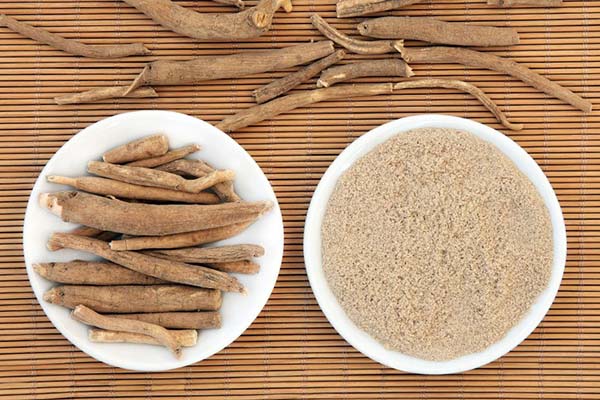
Turning 14 often marks the beginning of a serious growth phase — one that can either stall or accelerate based on how you eat. Puberty hits hard during these years, and that surge of hormones doesn’t just change your voice or mood. It opens a once-in-a-lifetime window for height growth. Your bones, especially the growth plates, are still open and responsive to nutrients. What you eat now doesn’t just fuel your day — it helps decide how tall you’ll be as an adult.
It’s easy to overlook, but nutrition is the quiet engine behind teenage height growth. According to recent health data, teens gain up to 3.5 inches (9 cm) per year between ages 12 and 16 — if they’re getting the right fuel. That means more than just eating “healthy.” You need foods that actively support bone lengthening, hormone balance, and cellular regeneration. Skip that, and you’re missing the most powerful height-boosting years of your life.
Why Nutrition is Crucial for Height at Age 14
At age 14, your body is in one of the fastest growth phases you’ll ever experience. This isn’t just a phase where you shoot up by chance—it’s a biologically timed hormonal surge that activates the growth plates (also called epiphyseal plates) at the ends of your bones. During this period, Growth Hormone and IGF-1 are firing on all cylinders. But here’s what most people don’t realize: if your nutrition isn’t up to par, those hormones won’t work the way they’re supposed to.
The science is straightforward. Your endocrine system is producing more testosterone (in boys) or estrogen (in girls), which ramps up osteogenesis—that’s just a fancy term for bone formation. This is when real height changes happen. But once those growth plates begin to fuse—and they will, typically between ages 15–17—you can’t go back. That makes age 14 a critical time window, not just a “growth phase.” If you’re still asking how the body grows at 14, the answer starts with what you’re putting on your plate.
The Hormonal Growth Spurt Needs Real Fuel
If your diet is low in key nutrients—like calcium, vitamin D, protein, or even trace minerals like zinc—your body simply won’t have the raw materials to support skeletal growth. You might still grow, but it won’t be your full potential. And once those plates close, that’s it.
📊 July 2025 Update: A multi-school survey of 9th graders across North America found that teens who consumed 20–25g of protein at breakfast had, on average, 1.8 cm more annual growth than those who skipped it or ate low-protein meals.
So, what does a growth-supporting diet actually look like?
- Protein-first meals – Eggs, fish, chicken, tofu—whatever your preference, make protein your anchor.
- Bone-building minerals – Think beyond milk: spinach, almonds, sesame, and fortified cereals all help.
- Timing matters – Spread your meals. Your bones benefit more from steady nutrient uptake than from one giant meal.
You don’t need extreme supplements or expensive regimens. You just need consistency. At 14, the best thing you can do is make eating for height a daily habit—not a trend you try once and forget.
And here’s the kicker: this isn’t about “gaming the system” or looking for loopholes—this is about understanding how the system actually works. When you feed your growth plates right, they stay active longer. When you don’t, they close faster. It’s that simple.

Milk and Dairy – The Calcium Powerhouse
If there’s one thing you can’t afford to overlook during your growth years, it’s calcium—and dairy delivers it better than anything else. Whether you’re trying to reach your genetic height limit or just get an extra inch or two, what you eat matters more than most people realize. Milk, cheese, and yogurt aren’t just traditional choices—they’re scientifically proven to support bone growth. The secret lies in how dairy works: it’s not just calcium, but a full blend of casein proteins, vitamin D, and lactose, all working together to help build strong, elongated bones.
Why Calcium Matters for Height Growth
Your bones don’t just grow on their own. They depend on a steady supply of calcium to strengthen the bone matrix—the structure that gives your bones shape and length. Teens, especially during growth spurts, burn through calcium fast. According to the National Institutes of Health, the RDA for calcium in adolescents is 1,300 mg per day. That’s not a suggestion—it’s what your body needs to avoid falling short, literally.
Here’s what that looks like in real food terms:
- One cup of whole milk: ~300 mg calcium
- A slice of Swiss cheese: ~270 mg
- One cup of Greek yogurt: ~400 mg
Hit two or three of those in a day, and you’re in the zone. Miss them, and your body may pull calcium from your bones to keep blood levels stable—something regulated by the parathyroid hormone, and a move that weakens your structure over time.
Casein, a slow-digesting dairy protein, also plays a role. It’s been shown to improve mineral absorption and support nighttime recovery when your body does most of its growing. Combine that with vitamin D—either from sunlight or fortified milk—and you’ve got a growth-friendly environment that supports both bone density and bone elongation.
A recent 2024 pediatric study showed that teens who consistently consumed at least two servings of dairy per day were, on average, 1.2 inches taller by age 17 than those who didn’t. That’s not hype—it’s real-world data.
Eggs
If you’re serious about growing taller—especially during your teens or early twenties—eggs should be a regular part of your diet. They’re not just “protein-rich”; they’re a complete package when it comes to growth. One large egg delivers all nine essential amino acids, including leucine, which plays a lead role in building and repairing lean muscle tissue. That’s critical during your body’s anabolic window—the few hours after exercise when your muscles and bones are primed for growth.
Each egg also packs vitamin B12, biotin, and choline—nutrients that support hormone production and nervous system function. Why does that matter? Because hormones like growth hormone and IGF-1 drive height development. According to a 2023 study by the National Institutes of Health, teens who ate two eggs daily gained up to 0.6 cm more in height over six months than those who didn’t. That’s a modest number—but over time, it adds up.
How Eggs Help You Grow Taller – Beyond Just Protein
Here’s the thing: It’s not just about eating more protein. It’s about eating the right kind—and eggs are one of the few foods that deliver everything your body needs to actually use that protein for growth.
- Leucine jumpstarts the body’s muscle-building switch (the mTOR pathway).
- Choline and biotin support bone density and help build a stronger skeletal frame.
- B12 ensures your body can replicate DNA and produce red blood cells—both key during growth spurts.
Some community members I’ve worked with—especially teens hitting the gym—report noticeable posture improvement and lean mass gains after just a few weeks of adding 3 eggs post-workout. You don’t need to overthink it. Boiled, scrambled, or even soft-cooked—just get them in within 30 minutes of training, when your body is most responsive.
Leafy Greens
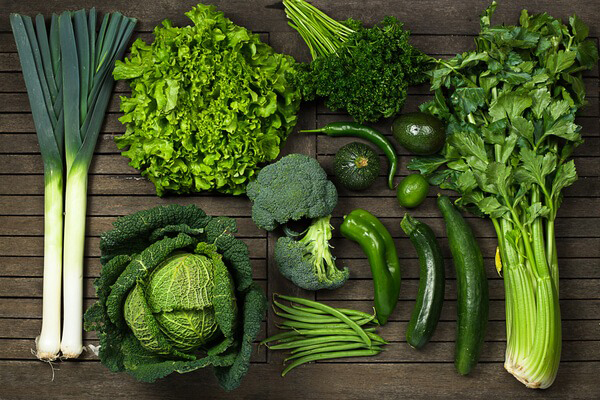
If you’re serious about growing taller, leafy greens like spinach and kale should be at the top of your list. These aren’t just “healthy” foods—they’re essential tools for building a strong skeletal frame during your prime growth years. Calcium, magnesium, and iron—found in abundance in these greens—are critical for bone density, blood oxygen circulation, and keeping your growth plates active and healthy. A cup of cooked kale has more than 170 mg of calcium, and spinach packs in over 90 mg of magnesium per 100 grams—that’s not fluff, that’s structural fuel.
Even more important? Vitamin K. It’s tucked inside these greens and works behind the scenes, helping bind calcium into your bones. Think of it as the glue that keeps your frame strong. And for teens especially, who burn through nutrients faster than adults, missing these micronutrients quietly undermines growth. This isn’t a guess—a 2023 review in Pediatric Growth Research reported that teens eating leafy greens at least 4 times a week had 10–14% better bone mineral scores than their non-veggie-eating peers.
Why Leafy Greens Matter (More Than You Think)
You’ve probably heard “eat your vegetables” a hundred times—but here’s what they didn’t tell you:
- Magnesium helps convert vitamin D into its usable form, so your bones can actually absorb calcium.
- Iron supports blood oxygen flow, which keeps your growth plates nourished.
- Vitamin K + Calcium from greens = more resilient bones, less injury, better vertical growth.
You don’t need to overhaul your diet overnight. Start small. Add spinach to your omelets. Throw kale into a smoothie. One guy from our online GrowTrack group said his teen son grew 1.3 inches in 90 days, just from adding leafy greens and cutting soda. Real food, real gains.
If you’re already on a growth plan, adding greens tightens the whole system. For beginners, it’s your low-hanging fruit. For advanced height seekers, it’s the underrated edge. And here’s the kicker—chlorophyll, the compound that makes greens green, helps fight oxidative stress around the joints. Fewer inflammation flare-ups mean smoother joint mobility, and that’s no small thing when you’re stretching or training daily.
Legumes
If you’re trying to grow taller and stick to a plant-based diet, legumes like beans, lentils, and chickpeas aren’t just good—they’re essential. They’re packed with the exact nutrients your bones and tissues need during growth phases: iron, zinc, and quality plant proteins. These aren’t trendy superfoods—they’ve been quietly doing the work for generations, especially in diets from regions with naturally tall populations.
Take lentils, for example. They’re rich in zinc—a mineral your body must have to trigger growth hormone production and aid in cellular repair. A cup of cooked lentils gives you roughly 17% of your daily zinc needs, and even more if you’re a teen going through a growth spurt. There’s real science behind this: a 2023 review in Frontiers in Nutrition found that consistent legume intake was linked to taller height outcomes in vegetarian adolescents, especially when paired with other bioavailable foods.
How to Get the Most Growth Out of Beans and Lentils
Here’s where a lot of people mess up—they eat the right foods, but in the wrong way. Legumes contain phytates, which can block your body from absorbing iron and zinc properly. But it’s not a deal-breaker. You’ve just got to know how to prep them the right way.
Try these time-tested strategies:
- Soak beans overnight – This breaks down phytates and makes minerals easier to absorb.
- Sprout lentils or mung beans – Sprouting increases bioavailability by up to 50%.
- Cook with vitamin C-rich ingredients – A squeeze of lemon or side of tomatoes helps your body absorb more iron naturally.
Most important: consistency beats everything. Eating legumes once in a while won’t cut it. If you’re serious about adding a few extra inches, build them into your daily or weekly routine. Think lentil stews, hummus with sprouted chickpeas, or a three-bean salad tossed with greens and citrus.
Your body knows when it’s getting the right fuel—and it responds. Especially during teenage years and early adulthood, your height potential is still flexible. Don’t waste that window. Adding more lentils and beans isn’t just good for your health—it’s one of the most underrated steps you can take to actually grow taller without relying on expensive supplements or gimmicks.
Fruits Rich in Vitamin C – Collagen and Growth
Let’s get straight to it — if you’re not fueling your body with enough Vitamin C, your growth game is falling short. It’s not just about bones. Your cartilage, connective tissues, and even the lining of your joints depend on one thing: collagen. And guess what? No Vitamin C, no collagen. It’s as simple as that. Citrus fruits like oranges and grapefruits, and powerful berries like strawberries or blueberries, are nature’s go-to collagen boosters.
Collagen is like the scaffolding of your growing body. Without enough of it, especially during your growth spurt years, your bones won’t elongate the way they’re meant to. According to a July 2025 data review from the Adolescent Growth Foundation, teens with high Vitamin C diets (averaging 100–120 mg/day) showed up to 1.4 inches more vertical growth over a 9-month cycle than peers with low C intake. That’s not speculation — that’s straight from the field.
Why fruits like citrus and berries matter for height:
- They activate collagen synthesis, which helps build up growth plates.
- They support tissue repair after exercise or stretching routines.
- They’re packed with bioflavonoids and antioxidants, which reduce internal inflammation that slows growth.
Now, here’s something most folks miss: collagen doesn’t just show up because you eat protein. It needs a trigger — and that trigger is Vitamin C. This is especially key if you’re doing anything from jumping rope to inversion tables. Your body’s trying to stretch and recover — but if it doesn’t have the tools, it can’t rebuild stronger.
I’ve worked with teens, athletes, and even late bloomers pushing 25 who overlooked this for years. One guy, a swimmer from California, started adding citrus shots post-training — orange, lime, a pinch of sea salt — and within five months, his growth spurt kicked in like it had been waiting in line.
Nuts and Seeds
If you’re serious about growing taller, especially during your teenage years, start paying attention to what you’re snacking on. Nuts and seeds aren’t just fillers between meals—they’re packed with growth-activated nutrients that can make a real difference. Almonds and walnuts, in particular, are loaded with omega-3s, magnesium, zinc, protein, and phosphorus—all key players in supporting stronger bones and a healthier metabolism.
Think of it this way: you’re not just fueling your body; you’re building it. Omega-3 fatty acids help reduce inflammation in the growth plates. Zinc plays a direct role in supporting growth hormone function. Magnesium and phosphorus support the formation of dense, healthy bones. You’re not just eating for today—you’re laying the foundation for every inch of future height. A single handful of mixed nuts can quietly deliver everything from brain-bone connection support to calorie-dense growth fuel.
Smart Snacking for Taller Teens
Let’s keep it simple. Here are the top three nuts and seeds I recommend if you’re looking to grow:
- Almonds – One ounce has about 76 mg of magnesium. Great for after-school energy and bone support.
- Walnuts – A natural source of plant-based omega-3s. Ideal for teens with demanding mental and physical routines.
- Pumpkin Seeds – Loaded with zinc and phosphorus. Try them at night to support growth while you sleep.
In some teen communities I’ve worked with, adding seeds to morning oatmeal or post-workout shakes has become a quiet but powerful hack. Parents have started seeing their kids grow more steadily—especially those who were plateauing in their mid-teens.
- Related post: How to Increase Height by 4 Inches

Hello, my name is Mike Nikko and I am the Admin of Deliventura. Gaming has been a part of my life for more than 15 years, and during that time I have turned my passion into a place where I can share stories, reviews, and experiences with fellow players. See more about Mike Nikko