
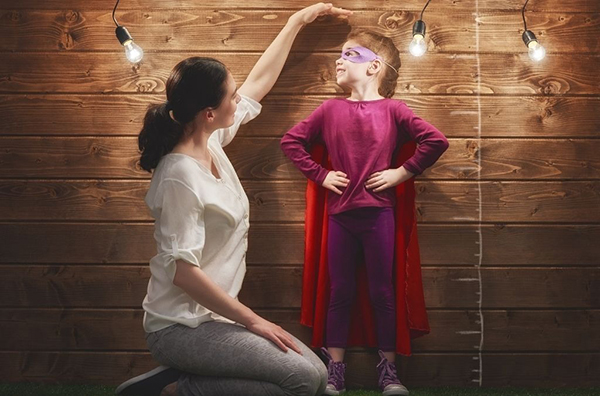
So, how do you know when a growth spurt is in full swing?
Let me walk you through the signs I’ve seen again and again — some obvious, some easy to miss — and what you can actually do when you spot them.
1. Sudden Increase in Height
You don’t need a tape measure to feel it. Jeans get shorter, mirrors get taller, and chairs start feeling too small.
Most teens hit their peak height velocity — the fastest stretch of growth — sometime between ages 11–13 for girls and 13–15 for boys. During that window, it’s not unusual to grow 3 to 4 inches in a single year. Some boys shoot up even faster — up to 5 inches in peak years.
I’ve watched a 13-year-old go from the shortest on the team to the tallest by spring. The shift is often genetic, but CDC growth charts and height percentiles can help you track where your teen sits.
But here’s what most people miss: it’s not linear. You’ll get these bursts — a few months of no change, then BAM, a noticeable jump. Especially in the legs and spine — that’s where long bone growth and vertebral lengthening happen the fastest.
2. Increased Appetite and Nutritional Needs
Let me guess: your fridge used to last a week. Now? It’s a war zone by Wednesday.
That’s because when growth kicks in, so does caloric demand. And it’s not just more food — it’s more of the right food. Protein, iron, calcium, and zinc all get used up fast during growth phases.
What I’ve noticed is the hunger often comes before the height. Teens might start eating like athletes a few months before their bones catch up.
According to USDA guidelines, teen boys need around 2,800–3,200 calories/day during growth peaks. For girls, it’s a bit lower — 2,200–2,400 — but still higher than most expect.
Keep an eye on patterns: are they asking for second dinners? Suddenly craving steak? That’s not “bad behavior.” That’s a body asking for fuel.
3. Outgrowing Clothes and Shoes Quickly
Now, this one’s kind of hilarious and frustrating at the same time.
If you’ve replaced sneakers twice in one semester, chances are you’re in a growth phase. Feet often grow before the rest of the body — I’ve seen size 10 shoes on 5’5” middle schoolers who later caught up just fine.
Look for:
- Pants turning into capris (especially in winter — teens never seem to notice)
- T-shirts riding up or stretching awkwardly
- Shoes that “felt fine last week” suddenly too tight
Clothing brands like Old Navy and Nike sometimes offer size extensions that help during these jumps — though, honestly, hand-me-downs can be your best friend when growth hits fast.
4. Growing Pains or Joint Aches
You’ll usually hear about this one late at night — when the house is quiet, and suddenly someone’s groaning from their bedroom.
These growing pains typically show up in the knees, thighs, or shins. It’s not from injury — it’s more like the tension created when bone growth outpaces muscles and tendons.
In my experience, most kids describe it as a deep ache. Not sharp. Not injury-pain. Just… nagging.
It often hits during rest, not activity — which is why bedtime is the hot zone. Osgood-Schlatter is a common example, especially in athletic boys around 12–14. If the pain gets sharp, localized, or persistent, it’s worth checking in with a pediatrician.
5. Mood Swings and Irritability
This one? It’s brutal.
You see, puberty hormones like testosterone and estrogen don’t just build bones and bodies. They flood the serotonin pathways in the brain. Which means… mood swings. Fast ones.
One minute they’re laughing. The next? Slammed doors, eye rolls, or random tears.
Now, you might think, “Oh, they’re just being a teen.” But I’ve found that big emotional swings often coincide with major growth cycles. It’s not all attitude. It’s partly biology.
What helps? Honestly — routine, sleep, and just giving them space. Emotional regulation develops after the body finishes growing, not before.
6. Sleeping More Than Usual
I’ve lost count of how many parents asked, “Is it normal for them to sleep 11 hours?” And… yeah. Sometimes, it is.
During peak growth, your teen’s brain craves deep REM sleep like oxygen. That’s when growth hormone surges — especially in the early part of the night.
You’ll notice:
- Sleeping in late (especially weekends)
- Falling asleep earlier than usual
- Seeming groggy despite “plenty” of sleep
It’s not laziness. It’s biological clock shifts — also known as sleep phase delay — and it’s built into adolescent development. Most teens hit a wall between 10:30 pm and midnight, and still need 8–10 hours to recover.
Related post: 9 Secret Tips to Grow Taller: Science-Backed Strategies for Maximum Height
7. Clumsiness and Lack of Coordination
You know that phase when they knock over a glass at every meal? Yeah, this is that.
As limbs stretch, the proprioceptive system — that’s the brain-to-body coordination center — takes time to recalibrate. I call it the awkward giraffe phase.
Common signs:
- Tripping over nothing
- Bumping into door frames
- Dropping things for no reason
In sports, this shows up as timing issues — a great soccer player suddenly missing easy passes. Totally normal, but frustrating for them. Keep the tone light. It passes once the body “remaps” itself.
8. Changes in Voice (Especially in Boys)
It starts with a squeak. Then a crack. Then one day… boom, baritone.
For boys, the larynx (voice box) grows rapidly during puberty — triggered by testosterone spikes. Vocal cords thicken. The pitch drops. And yep, it gets awkward.
I had a kid who sounded like a chipmunk in September and Morgan Freeman by June. For girls, voice changes are subtler — a little huskier, more resonance — but still real.
Expect:
- Random voice cracks
- Talking less (they get self-conscious)
- Increased throat-clearing
It’s all part of the package.
9. Acne and Skin Changes
One day their skin was clear. Then, it’s like every pore joined a rebellion.
Acne, especially on the forehead, nose, and back, is often the first visible sign of hormonal acceleration. The culprit? Sebum — an oily substance that clogs pores as levels spike.
It usually shows up before peak growth. Which is why some 10-year-olds with acne aren’t “too young” — their hormones are just early risers.
For care? Gentle cleansers, non-comedogenic moisturizers, and pediatric dermatologists if it gets bad. Trust me — early treatment beats scarring later.
10. Hair Growth in New Areas
Yep, the fuzz arrives.
Underarms. Legs. Pubic area. For boys, facial hair usually starts as soft fuzz on the upper lip. Girls may notice hair thickening on their arms or legs.
It’s all triggered by androgens — hormones that cue hair follicles to activate. Some kids feel embarrassed. Others get excited (especially boys waiting for mustaches that take years to come in).
You’ll notice:
- Frequent checking in the mirror
- Questions about shaving
- Sudden interest in deodorant (finally!)
Let it be a cue to talk hygiene, not just puberty.
Bonus: When to Consult a Pediatrician
Now, here’s the honest truth: most growth patterns are within a wide “normal.” But there are outliers.
Here’s when I’d pick up the phone:
- No growth signs by age 14 in boys or 12 in girls
- Height percentile drops off the curve suddenly
- Extreme fatigue, unexplained weight loss, or bone pain
- Late puberty signs with no testicular/breast development
Doctors might order bone age scans, check hormone levels, or refer you to a pediatric endocrinologist. Sometimes it’s nothing. But sometimes, a timely checkup makes a big difference.
Final Thoughts (Not a Wrap-Up, Just a Pause)
So much of a teen’s growth happens in these blurry in-between moments — while they’re sleeping, snacking, sulking, sprinting. You won’t catch every inch. But you’ll catch the shifts if you’re watching — the too-tight sneakers, the slammed door, the second helping at dinner.
In my experience, the best thing you can do isn’t to fix or force it — it’s to notice. That quiet kind of support matters more than we think.
And if you’re wondering whether this chaos is normal? It probably is.
But if it doesn’t sit right — if something’s off or you’ve got a gut feeling? Trust that too.

Hello, my name is Mike Nikko and I am the Admin of Deliventura. Gaming has been a part of my life for more than 15 years, and during that time I have turned my passion into a place where I can share stories, reviews, and experiences with fellow players. See more about Mike Nikko