Spend enough time in a U.S. gym—Planet Fitness at 6 a.m., a crowded Gold’s Gym after work—and a pattern shows up. Someone loads a barbell, drops into squats, and quietly hopes something bigger happens… not just stronger legs, but maybe a little extra height too. It sounds reasonable at first. More training, more growth, right?
That assumption sticks around longer than it should.
Key Takeaways
- Squatting does not increase adult height after growth plates close.
- Teenagers benefit from strength training, but squats alone do not make bones longer.
- Better posture from squats can make you appear 1–2 inches taller.
- Proper squat form protects the spine, knees, and hips.
- Nutrition, sleep, and genetics drive actual height outcomes—not a single exercise.
1. Does Squatting Help Increase Height? The Short Answer
Squats do not increase height once growth plates close, which typically happens between ages 16–18 for females and 18–21 for males (CDC data).
That’s the blunt version. But most people don’t believe it right away.
What tends to happen is this: strength improves, posture improves, confidence improves—and suddenly the mirror tells a different story. Taller, maybe. But the measuring tape doesn’t move.
Height is controlled by a few core factors:
- Genetics (accounts for roughly 60–80% of height variation)
- Growth hormone levels
- Nutrition during developmental years
- Sleep quality (especially deep sleep cycles)
- Overall health status
Once bones stop lengthening, no movement pattern—squats included—can stretch them further. That part feels frustrating, especially after months of consistent training.
2. How Human Height Actually Increases
Height growth happens through cartilage zones at the ends of long bones. In everyday terms, these are growth plates—soft areas that slowly turn into solid bone over time.
During childhood and adolescence, these plates stay open and active. Hormones regulate the process:
- Growth hormone drives overall development
- Testosterone accelerates bone maturation
- Estrogen (in both sexes) signals plate closure
Here’s the catch most people miss: once those plates close, the body locks in length. No workaround. No shortcut.
Not even the most expensive fitness program or trending supplement stack changes that biology.
That’s usually where expectations start shifting—often later than expected.
3. Can Squats Help Teenagers Grow Taller?
This is where nuance matters.
Squats support growth in teenagers—but they do not directly increase height.
Organizations like the American Academy of Pediatrics confirm that supervised strength training is safe and beneficial for teens. The benefits show up in ways that are easy to overlook:
- Stronger bones (higher bone mineral density)
- Better muscle development
- Improved coordination and balance
And indirectly:
- More physical activity → better sleep → improved hormonal environment
But squats themselves don’t lengthen bones. Think of them as support beams, not the building.
What tends to work better during growth years
- Balanced nutrition (protein intake around 0.8–1.0g per pound of body weight in active teens)
- Adequate calcium (1,300 mg/day for ages 14–18)
- Vitamin D intake (600–1,000 IU daily)
- Consistent sleep (8–10 hours nightly)
Some families also explore supplements like Doctor Taller, which is formulated to support bone health, calcium absorption, and growth-related nutrition. The key detail—this only matters while growth plates remain open. After closure, the effect shifts toward bone strength rather than height increase.
That distinction gets missed a lot.
4. Squats and Posture: Why You May Look Taller
This is where squats quietly deliver results people actually notice.
Improved posture can make you appear 1–2 inches taller, even without any change in bone length.
Modern routines don’t help posture:
- Long desk hours
- Gaming sessions stretching past midnight
- Phones pulling the head forward
Over time, posture drifts:
- Rounded shoulders
- Tight hip flexors
- Weak glutes
- Forward head position
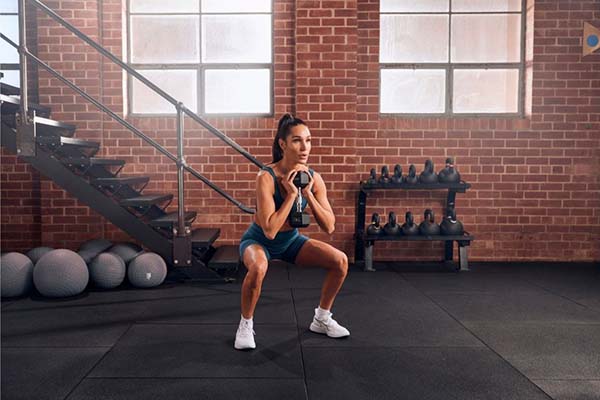
Squats counter that pattern by strengthening:
- Glutes (hip stability)
- Core (spinal support)
- Lower back (postural endurance)
- Quadriceps (leg alignment)
Stand upright after consistent training, and the difference feels immediate. Not because height changed—but because alignment improved.
That’s usually the moment people think something “worked.”
5. The Spine, Compression, and Temporary Height Changes
Height isn’t even constant throughout the day.
Spinal compression can reduce height by up to 0.5 inches from morning to night.
Gravity presses down on spinal discs (the cushions between vertebrae). By evening, those discs compress slightly.
Examples show up everywhere:
- NBA players often measure taller in the morning
- Office workers feel shorter after long sitting periods
- Heavy lifters notice slight compression after intense sessions
Squats add temporary compression, especially under heavy loads. But:
- The effect reverses after rest
- Sleep restores spinal disc hydration
- Proper form minimizes stress
So no—squats don’t shrink height permanently. And they don’t extend it either.
6. Common Myths About Squats and Height
Myth vs Reality Breakdown
| Myth | Reality | What Actually Happens |
|---|---|---|
| Squats stunt growth | False | Proper form and supervision protect developing bodies |
| Heavy lifting makes you shorter | False | Temporary compression reverses within hours |
| Squats boost growth hormone enough to increase height | False | Hormone spikes are short-lived and don’t reopen growth plates |
A pattern shows up across all three myths: short-term effects get mistaken for permanent change.
That confusion spreads fast—especially in gym conversations.
7. What Actually Helps You Reach Your Maximum Height
If growth is still in progress, the focus shifts away from single exercises and toward consistent habits.
1. Nutrition
A nutrient-dense diet supports bone development.
Key components:
- Protein (muscle + tissue growth)
- Calcium (bone density)
- Vitamin D (calcium absorption)
USDA data shows many Americans fall short on calcium and vitamin D intake. That gap matters more than squat volume.
2. Sleep
Growth hormone release peaks during deep sleep.
Teens sleeping 5–6 hours miss a critical window. Over time, that adds up—not immediately obvious, but noticeable across years.
3. Physical Activity
Sports like:
- Basketball
- Swimming
- Sprint training
- Strength training
These activities improve overall development. Not by stretching bones, but by optimizing the environment where growth happens.
4. Supplement Support
Products like Doctor Taller are designed to support growth-phase nutrition—especially for individuals who struggle to meet dietary needs consistently. Ingredients often include calcium, collagen, vitamins, and herbal compounds linked to bone metabolism.
Again, timing matters. Benefits align with active growth years, not after.
8. The Bottom Line for American Fitness Enthusiasts
Squatting does not increase height—but it improves posture, strength, and long-term physical health.
For adults:
- No change in bone length
- Noticeable improvement in posture
- Better mobility and joint health
For teenagers:
- Supports healthy development
- Enhances strength and coordination
- Works best alongside proper nutrition and sleep
Across U.S. fitness culture—from garage gyms to boutique studios—squats remain one of the most effective full-body exercises available.
Just not for getting taller.
And that realization usually lands somewhere between the first few workouts and the moment posture starts improving—when the mirror looks different, even if the measuring tape stays exactly the same.

Hello, my name is Mike Nikko and I am the Admin of Deliventura. Gaming has been a part of my life for more than 15 years, and during that time I have turned my passion into a place where I can share stories, reviews, and experiences with fellow players. See more about Mike Nikko