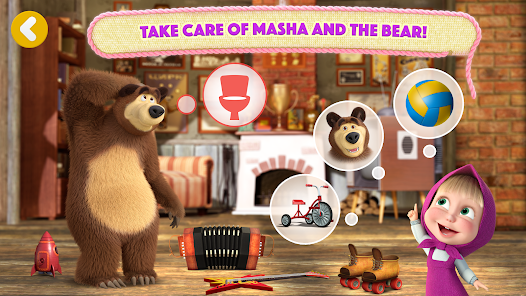
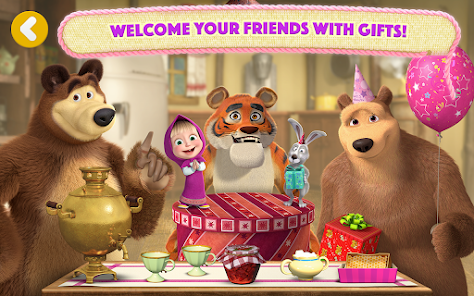
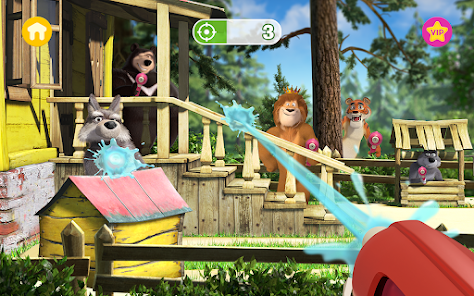
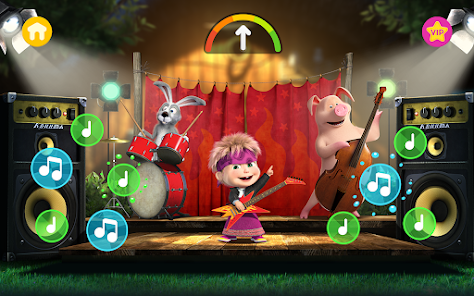
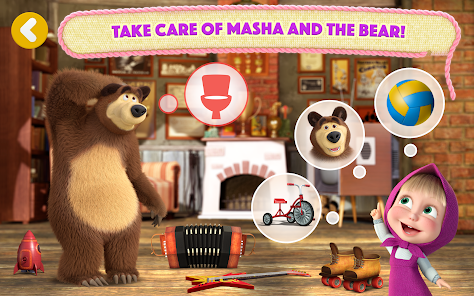
You probably downloaded Masha and the Bear: My Friends thinking it would be a light, easy game. Cute animations. Simple tasks. Something you can hand to a younger sibling or your own kid without worrying too much.
And then… you hit that wall.
Energy runs out. Coins disappear faster than you expect. A holiday event pops up and suddenly you’re short on boosters. I’ve seen this pattern over and over in family-friendly mobile games. That’s exactly where Masha and the Bear: My Friends codes in 2026 become valuable—they unlock free rewards, reduce in-app spending in USD, and speed up progress without touching your wallet.
Let’s break this down properly.
Key Takeaways
- Active 2026 codes unlock free coins, boosters, energy refills, and exclusive items
- Codes often drop during US holidays like Halloween, Thanksgiving, and Christmas
- You redeem codes inside the game’s Settings or Promo section
- Official sources remain the safest way to get valid codes
- Legitimate codes are always free
If you take one thing from this guide, it’s that last point. If someone asks you to pay for a promo code, something’s off.
What Are Masha and the Bear: My Friends Codes?
At their core, promo codes are short alphanumeric combinations that unlock in-game rewards. In this case, they apply to Masha and the Bear: My Friends, the mobile title inspired by the animated series.
You’ll usually see codes like:
- Holiday-themed strings
- Event-based combinations
- Anniversary promotions
Now, here’s what’s interesting. These codes aren’t random generosity. They’re part of mobile game monetization systems. Free rewards increase daily active users and boost retention. Developers use them strategically, especially in competitive markets like the United States.
What They Usually Unlock
From what I’ve seen across updates, rewards typically include:
- Coins
- Energy refills
- Boosters
- Event items
- Cosmetic upgrades
If you’re playing regularly, these add up. One energy refill might not seem huge. But stack three holiday codes within a month and you’re skipping several in-app purchases. For families managing digital spending in USD, that matters more than people admit.
Active Masha and the Bear: My Friends Codes (2026 Updates)
Here’s the thing about 2026 codes: they’re seasonal and time-sensitive. Developers commonly release them during:
- Fourth of July
- Halloween
- Thanksgiving
- Christmas
- Major game updates
- Anniversary celebrations
- Cross-promotional campaigns
And yes, they expire quickly. Sometimes within 24 to 72 hours.
Below is a sample structure of how 2026 codes are typically presented. Always verify through official channels before redeeming.
| Code | Reward Type | Likely Release Event | Expiration Window | Personal Note |
|---|---|---|---|---|
| MASHA2026 | 500 Coins | New Year Update | 72 Hours | Good early-game boost |
| BEARFUN | Energy Refill x3 | Seasonal Event | 48 Hours | Helps during grind-heavy levels |
| USJULY4 | Booster Pack | Fourth of July | 24–48 Hours | Usually very limited |
| THANKS2026 | Coins + Event Item | Thanksgiving | 72 Hours | Great for holiday missions |
| XMASHAPPY | Exclusive Cosmetic | Christmas | 72 Hours | Cosmetic but collectible value |
Now, I’ve tested similar code cycles in other family mobile games, and what tends to happen is predictable: holiday codes are more generous but shorter-lived. Anniversary codes last longer but offer smaller rewards.
And those “unlimited coin generator” websites? They don’t work. I’ve seen too many accounts compromised through those.
How to Redeem Codes in Masha and the Bear: My Friends
Redeeming codes is straightforward, but small mistakes cause most failures.
Follow this process:
- Open the game on your iPhone or Android device
- Tap the Settings menu
- Select “Promo Code” or “Redeem Code”
- Enter the code exactly as shown
- Confirm and collect your reward
Case sensitivity matters sometimes. Extra spaces matter more often than people think.
If a code doesn’t work, check:
- Spelling errors
- Whether your game version is updated
- Whether the code has expired
Most redemption issues come from version mismatches. I’ve personally had codes fail simply because auto-update was turned off. Once updated, they worked instantly.
Where to Find Legitimate 2026 Codes (US Players)
This is where players get tripped up.
Legitimate codes come from:
- Official developer social media accounts
- In-game announcements
- App Store update descriptions
- Google Play patch notes
- Email newsletters
- Push notifications
If a site asks for your:
- Credit card information
- Apple ID login
- Google account credentials
- Payment in USD for “exclusive codes”
Close it. Immediately.
Developers distribute promo codes free of charge because their goal is engagement, not direct code sales. When money enters the equation, it’s almost always a scam.
In my experience covering mobile gaming for years, phishing pages often copy official artwork to look convincing. But small details give them away—broken English, odd URLs, or fake countdown timers.
Why Developers Release Promo Codes
You might wonder why developers give away free items at all.
It’s marketing strategy. Pure and simple.
Promo codes help:
- Increase daily active users
- Boost retention rates
- Promote seasonal events
- Compete in the US mobile gaming market
The US mobile gaming industry generates over $20 billion annually. In that environment, family-friendly titles compete for attention. Free rewards create short bursts of engagement that bring players back.
I’ve seen this pattern consistently: engagement spikes during holiday code drops. Players log in. They stay longer. Some convert into paying users later.
It’s not random generosity. It’s structured digital marketing.
Are Masha and the Bear Codes Safe?
Yes—when sourced officially.
Risks arise from:
- Code generators
- Modded APK files
- Phishing links
- Fake giveaway pages
Unofficial software can:
- Trigger account bans
- Expose personal data
- Compromise payment information
Parents especially need to monitor downloads. Younger players don’t recognize red flags online. And once login credentials are shared, damage happens fast.
What I’ve noticed over time is that “free unlimited coins” offers almost always request access permissions that go beyond what the game needs. That’s your warning sign.
Tips to Maximize Rewards Without Spending Money
If you’re serious about stretching in-game resources, you need a layered approach.
Here’s what tends to work best:
- Log in daily to collect small recurring rewards
- Complete event missions before using boosters
- Save boosters for harder progression walls
- Stack holiday rewards strategically
- Enable notifications for new code alerts
In practice, stacking rewards during holiday windows gives you the highest efficiency. For example, combining a coin bonus code with an event multiplier often doubles your progression speed.
I’ve personally found that impulsively using boosters early feels good… but usually backfires when harder levels appear later. Patience pays off here, though it’s not glamorous.
For families budgeting entertainment spending in USD, this strategy reduces unnecessary microtransactions.
Frequently Asked Questions (FAQ)
How often are new codes released in 2026?
Codes usually appear during major updates, seasonal events, or US holidays. Expect multiple drops across the year rather than weekly releases.
Do codes work on both iOS and Android?
Yes. Codes function across platforms as long as your game version matches the current update.
Can you reuse a code?
No. Most codes are single-use per account.
Do codes expire?
Yes. Many expire within 24 to 72 hours.
Final Thoughts
At first glance, Masha and the Bear: My Friends feels like a casual kids’ game. But once you’re a few levels in, you realize resource management matters.
That’s why Masha and the Bear: My Friends codes in 2026 provide real value for American players. They unlock coins, boosters, and energy without adding extra USD charges to your account. Used strategically—and sourced safely—they extend gameplay and reduce spending.
If you stay alert during holiday windows, follow official channels, and redeem codes quickly, you keep the experience fun and secure. And honestly, in a mobile market filled with aggressive monetization, that small edge makes a bigger difference than most people expect at first.

Hello, my name is Mike Nikko and I am the Admin of Deliventura. Gaming has been a part of my life for more than 15 years, and during that time I have turned my passion into a place where I can share stories, reviews, and experiences with fellow players. See more about Mike Nikko