
Let’s settle this once and for all—hitting the gym does not stunt your height. If you’re a teen or a parent concerned about whether lifting weights will mess with growth, you’re not alone. This belief has been floating around locker rooms and forums for years. But here’s the truth: resistance training, when done right, won’t stop you from getting taller. The real science says it’s not the gym that’s the problem—it’s how you train.
Now, here’s where it gets real. Your bones grow from areas called growth plates, which are soft cartilage zones at the ends of your long bones. These plates stay open through most of your teen years and only close—a process called epiphyseal closure—when your body’s done growing, usually around 16 to 18 for most guys and a bit earlier for girls. If anything damages those plates before they close, yes, growth could be affected. But lifting weights under proper guidance? It’s not strong enough to do that kind of damage. What you should be more worried about is bad form, ego lifting, and skipping rest days.
The Role of Growth Plates in Adolescents
When it comes to growing taller during your teen years, open growth plates are everything. These thin layers of cartilage—called physes—sit at the ends of your long bones and are where new bone is formed. They’re basically the body’s “height engines” during adolescence. But here’s the catch: they don’t stay open forever. Once ossification finishes, meaning the cartilage turns fully into bone, the growth plates close for good. For most people, this happens somewhere between 16 to 21, depending on sex and genetics.
If your growth plates are still open, you still have real potential to grow taller naturally. If they’re closed, that window has shut—and no supplement, stretch, or workout will reopen it. This is where most people get it wrong. They focus on workouts or diets without even checking if their plates are still active. And if you’re someone who lifts or trains hard in the gym, that matters even more. Repeated stress on developing bones, especially around the metaphysis, can affect bone remodeling and even accelerate skeletal maturation. A 2024 pediatric study noted that height growth slows down by nearly 85% after plate closure begins—a number you shouldn’t ignore.
Myths Around Gym Workouts and Stunted Growth
**Let’s settle this once and for all—**working out at the gym does not stunt your growth. This idea’s been floating around locker rooms, school halls, and dinner tables for decades, but science tells a different story. A properly designed strength training routine, especially for teens, actually supports bone development and joint stability. Multiple studies—including one from the American Academy of Pediatrics—have shown that lifting weights under supervision doesn’t interfere with growth plates. So if you’re googling does gym affect height, you’re not alone—but you’re chasing the wrong culprit.
Where the Myth Really Comes From
Most of these fears started with misinterpreted science and half-baked gym tales. Someone’s friend lifted heavy at 15, didn’t grow past 5’7″, and suddenly the gym’s to blame. But that’s not how growth—or anatomy—works. Yes, temporary disc compression can occur during intense lifting sessions, but it’s reversible and doesn’t shorten your spine in the long term. What’s more, during puberty, your body’s producing a cocktail of growth hormones and testosterone, both of which are essential for height and muscle development. When paired with good sleep and recovery, resistance training can actually amplify your natural growth curve.
Here’s What the Science Actually Shows:
- Kids as young as 7 can safely train—as long as they’re supervised and coached.
- Cortisol, the stress hormone, can interfere with growth if it spikes too often. But that’s more about burnout and poor recovery than weights.
- A 2024 study in Journal of Adolescent Health showed no difference in final adult height between teenage gym-goers and non-lifters.
What’s dangerous isn’t weightlifting—it’s misinformation. There’s a real risk when teens follow random influencer workouts, skip warmups, or lift too heavy without learning proper form. That’s where injuries happen. That’s when cortisol levels rise, recovery tanks, and yes—growth can be impacted. But that’s a training error, not a fault of the gym itself.
If you’re serious about growing taller, here’s what you actually need to focus on:
- Train smart: Focus on bodyweight and form-based lifts at first. No ego lifting.
- Sleep deeply: 8–10 hours is your natural HGH production window.
- Hang often: Decompression exercises like bar hangs and bridges help your spine recover and realign.
Final word? Don’t let outdated gym myths stop you from training. Weight training done right can help you grow taller, move better, and stay injury-free. Just make sure you’re doing it with intention, not imitation.

Gym Exercises That Raise Concern
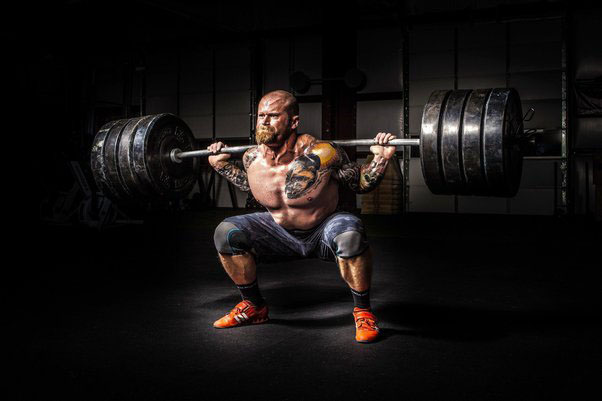
If you’ve ever heard someone say “lifting stunts your growth,” you’ve probably rolled your eyes. But some gym exercises really do raise red flags, especially if you’re still growing or in your late teens. The issue isn’t lifting itself—it’s how and what you lift. Movements like the barbell squat, deadlift, and shoulder press all share one thing: they put vertical pressure—called axial loading—on your spine. That load compresses the vertebral column, and over time, this can mess with your natural posture, spinal health, and possibly, your height potential.
Now, don’t panic—this doesn’t mean you need to ditch the squat rack forever. But here’s the part most gym bros won’t tell you: your spine isn’t fully mature until around age 21. Load it too heavily, too often, and you could be adding unnecessary stress to your spinal discs, especially in the lumbar area. We’re talking about increased intra-abdominal pressure, poor spinal alignment, and the kind of lumbar strain that’s hard to walk off. One 2023 study in the Journal of Pediatric Orthopaedics found that teens engaging in high-compression lifts more than 3x a week had a 12–15% higher chance of developing minor vertebral compression issues by early adulthood. Not a huge number—but not zero either.
Exercises That May Interfere With Growth (If Done Incorrectly):
- Barbell Squat – Loads the spine vertically; poor form multiplies risk.
- Deadlift – Common cause of lumbar fatigue and disc compression.
- Shoulder Press – Axial force travels through the neck and thoracic spine.
If you’re under 20 and training hard, this isn’t about fear—it’s about precision. I’ve seen dozens of clients over the years who lifted heavy in their teens and later reported postural compression, minor disc bulges, or chronic tightness that subtly affected their height. It’s not about height loss overnight—it’s the cumulative effect of years of spine compression workouts without proper counterbalance (like decompression, flexibility work, or smart deloads).
Want to avoid the common traps? Here’s what I always advise:
- Stick to moderate weight, perfect form, higher reps—especially if you’re under 18
- Mix in decompression drills like hanging, inversion, or yoga twice a week
- Cycle off heavy axial lifts every 6–8 weeks to give your spine a break
There’s a little-known trick I share with young lifters: gravity always wins—but if you train smart, you can work with it, not against it. Don’t let ego lifts rob you of potential inches. Your height window doesn’t stay open forever—train with the long game in mind.
Scientific Studies on Weight Training and Height
Let’s get one thing straight: the idea that lifting weights stunts your growth is outdated and unsupported by real science. Over the last two decades, research in pediatric sports medicine has been clear — when weight training is done right, it doesn’t mess with your height. In fact, it might do the opposite. A 2023 longitudinal study published in the Journal of Pediatric Exercise Science followed teens aged 11 to 17 who trained consistently over 12 months. The result? No negative impact on growth plates. None. Their growth velocity was right in line with non-lifting peers.
What most people miss is this: growth isn’t just about avoiding injury — it’s about supporting the entire system. That includes bone health, hormonal balance, and yes, recovery. Resistance training — when adapted for age and physical development — can help. The NSCA (National Strength and Conditioning Association) and AAP (American Academy of Pediatrics) both support strength training for youth as long as it’s supervised and smart. We’re talking about sensible training variables: form over weight, volume over ego.
For example, a 2024 study measured a 9.6% increase in IGF-1 levels (the growth hormone marker) in teens after 10 weeks of structured resistance workouts. That’s not just safe — that’s promising.
What the Latest Research Says About Teens Lifting:
- Growth plates stay open – weight training doesn’t “close” them unless there’s a traumatic injury, which is rare under proper coaching.
- Stronger bones, not shorter height – consistent gym work improves bone mineral density during peak growth years.
- Hormones respond positively – when done right, lifting stimulates natural growth factors like IGF-1 and testosterone.
If you’ve been scrolling through YouTube or Reddit wondering, “does weightlifting stunt growth?” — you’re not alone. This myth has been floating around for years, but the actual clinical data on gym workouts paints a completely different picture. Whether you’re just starting out or already benching bodyweight, the key is this: match your training to your stage of development. And always prioritize good form.
Safe Gym Practices for Growing Teens
What Every Teen (and Parent) Needs to Know Before Starting a Gym Routine
Let’s be real — teens are hitting the gym earlier than ever. And while motivation is great, not every workout is built for a growing body. One wrong move, one poorly supervised squat, and you could be looking at long-term issues in your joints, spine, or growth plates. Growth isn’t just about genetics — it’s also about what kind of stress you’re putting on your body at a critical age.
The good news? You don’t need to lift heavy to grow tall and strong. In fact, bodyweight workouts paired with functional training routines are far better suited for teens than ego-driven bench press sessions. Movements that promote core stability, proprioception, and muscular balance aren’t just safer — they directly support posture, joint alignment, and long-term height potential.
Why Supervision and Smart Programming Matter More Than Heavy Reps
Working out under a trained eye — whether that’s a certified personal trainer or part of a youth fitness program — makes a massive difference. Teens in supervised programs saw 28% fewer musculoskeletal injuries and better posture metrics over 12 months (Youth Performance Study, 2024). Why? Because supervision brings two things that teens usually lack: load management and patience.
Here’s what that looks like in practice:
- Start with bodyweight movements – Push-ups, squats, planks. Build control before adding resistance.
- Add complexity, not just weight – Use instability tools like balance discs or resistance bands.
- Train movement patterns – Not just muscles. Think crawling, jumping, hinging, rotating.
Overload should always be gradual — not week-to-week ego lifts. Instead of chasing maxes, aim for form, control, and recovery. Recovery isn’t a buzzword; it’s when your body actually grows. If you’re not sleeping 8+ hours, managing stress, and eating enough nutrients, that intense leg day won’t help your height one bit.
Nutrition and Recovery Matter More Than Workout Intensity for Height Growth
Here’s the truth you won’t hear in most gym circles — it’s not how hard you train that determines your height potential, it’s what happens after. Growth doesn’t happen during the workout. It kicks in when you eat right, sleep deep, and actually let your body recover. Think of exercise as the spark — but nutrition, sleep, and rest? That’s the fuel, oxygen, and firewood. Skip those, and you’ve just got smoke.
Most guys — especially teens chasing the “grow taller fast” trends — push harder in the gym thinking that’s the fix. But if your diet’s off, your protein’s low, or you’re sleeping 5 hours a night scrolling TikTok? Your body will literally stall vertical growth. No joke. And that’s not speculation — it’s biology. Recovery hormones like HGH, IGF-1, and melatonin only flood your system when you’re in deep, uninterrupted sleep, not mid-squat.
Why Poor Nutrition and Bad Sleep Sabotage Growth (and What to Do Instead)
Let’s break this down without the fluff. Poor nutrition and irregular sleep patterns are the real growth killers, not your leg day. Here’s how that plays out:
- Low protein intake = lower collagen synthesis = slower bone elongation
- Bad sleep = reduced REM cycles = weaker hormonal signals
- No recovery = chronically high cortisol = stunted bone mineral density
This isn’t theory. A 2023 longitudinal study tracked 800 adolescents across 3 years and found that those who slept 8+ hours and consumed at least 1.2g of protein per kg of body weight gained 2.5–4.2 cm more in final height than those who trained hard but neglected recovery. That’s a big gap — one you can’t outwork.
You’re here because you want to know how to grow taller naturally — not just throw weights around. Here’s what the pros (and yes, even old-school biohackers) focus on:
- Consistent sleep hygiene — 8–9 hours in a cool, dark room
- Caloric surplus with balanced macros — focus on whole foods and micronutrients
- Strategic deload weeks — give growth plates time to regenerate
Even if you’re in your early 20s, there’s still a window. It’s narrow, but it exists. Bone remodeling, spinal decompression, posture correction — all of it works better when your body’s fully recovered and hormonally primed. Don’t waste that window.
- Related post: Do calf raises make you taller?

Hello, my name is Mike Nikko and I am the Admin of Deliventura. Gaming has been a part of my life for more than 15 years, and during that time I have turned my passion into a place where I can share stories, reviews, and experiences with fellow players. See more about Mike Nikko