At 16, height suddenly feels personal. Friends shoot up over summer break. Jeans get shorter. Basketball rims look a little closer—or a little farther away. Genetics sets the blueprint, no doubt. But what often gets overlooked is how strongly daily nutrition influences bone growth, hormone activity, and overall adolescent development.
In the United States, many teens consume enough calories yet fall short on critical nutrients like vitamin D and magnesium. That gap quietly affects growth potential. The right foods support bone elongation, hormone regulation, and tissue repair—especially while growth plates are still open.
This guide breaks it down in plain terms: what to eat, what tends to interfere with growth, and how lifestyle habits either support or sabotage the process.
Key Takeaways
- Nutrition directly supports height growth during teenage years
- Protein, calcium, vitamin D, and zinc drive bone and tissue development
- Whole foods outperform supplements in most real-world situations
- Sleep and exercise influence Human Growth Hormone (HGH) release
- Vitamin D deficiency remains common among U.S. teens
1. Can You Still Grow Taller at 16?
People often assume growth is basically finished by 16. That assumption usually comes from seeing classmates stop growing. But growth plates—the soft cartilage areas at the ends of long bones (epiphyseal plates)—tell the real story.
At 16:
- Boys often remain in active puberty, with growth spurts continuing until 18–19
- Girls are typically closer to skeletal maturity, often slowing after 15–16
According to growth data from the Centers for Disease Control and Prevention (CDC), average annual growth during mid-puberty ranges between 2 to 4 inches per year during peak growth spurts. After that, it tapers.
Here’s what matters:
- Height growth at 16 depends on whether growth plates remain open
- Puberty timing affects how much more growth is possible
- Genetics sets the ceiling, but environment influences how close you get
A pediatric endocrinology evaluation can assess bone age if growth concerns arise. And sometimes what feels like “not growing” is simply a slower phase before another mini growth spurt.
Growth rarely moves in a straight line. It pauses. Then moves again.
2. How Nutrition Affects Height Growth
Growth requires energy and building blocks. That’s where macronutrients and micronutrients step in.
The USDA Dietary Guidelines emphasize balanced intake, but surveys show many American teens under-consume calcium, potassium, magnesium, and vitamin D.
Here’s how nutrition for height growth works in practice:
- Macronutrients (protein, carbs, fats) supply energy and raw materials
- Micronutrients (vitamins, minerals) regulate metabolism and cell growth
- Adequate caloric intake prevents the body from slowing development
When caloric intake drops too low—often seen in restrictive dieting—the body prioritizes survival over bone density and tissue expansion. Hormone regulation shifts. Growth slows.
What tends to surprise people is that nutrient absorption matters just as much as intake. Vitamin D improves calcium absorption. Zinc supports cell division. Magnesium assists enzyme activity involved in skeletal development.
Food works in systems, not isolation.
3. Protein-Rich Foods That Support Growth
Protein drives tissue repair and muscle development. More importantly, it provides essential amino acids required for protein synthesis.
Teenagers generally need about 0.85 grams of protein per kilogram of body weight daily, though active teens may need slightly more.
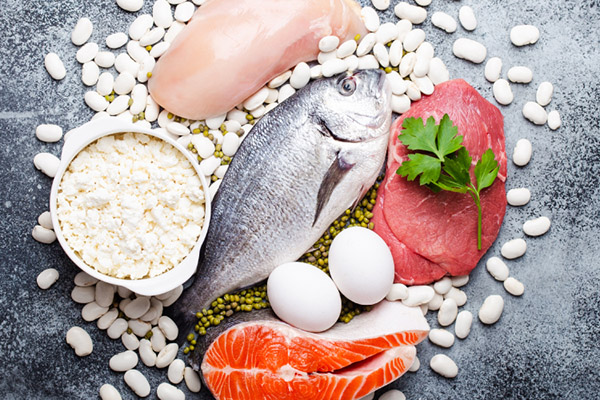
High-protein foods commonly available in U.S. grocery stores:
- Chicken breast
- Eggs
- Greek yogurt
- Salmon
- Lean beef
- Tofu
Protein supports:
- Muscle development
- Bone matrix formation
- Hormone production
In real-life eating patterns, spreading protein across meals improves absorption. Large amounts in one sitting don’t optimize tissue repair as efficiently as consistent intake.
And no, protein shakes alone won’t override poor sleep or low calorie intake. They support growth—but only inside a balanced diet.
4. Calcium-Rich Foods for Strong Bones
Calcium builds skeletal strength. Around 99% of the body’s calcium resides in bones and teeth.
Teenagers aged 14–18 require roughly 1,300 mg of calcium daily.
Top calcium sources include:
- Milk
- Cheese
- Yogurt
- Fortified almond milk
- Kale
- Broccoli
Milk consumption in the U.S. has declined over the past two decades, which partly explains lower bone mineral density trends in some adolescent groups.
For lactose intolerance:
- Fortified plant milks
- Fortified cereals
- Leafy greens
Calcium absorption improves with adequate vitamin D levels. Without vitamin D, even high calcium intake becomes inefficient. That interaction often gets missed.
5. Vitamin D Foods That Boost Growth Hormones
Vitamin D influences calcium regulation and supports hormone activation, including pathways related to Human Growth Hormone (HGH).
Sources include:
- Sunlight exposure
- Fortified cereals
- Fortified orange juice
- Salmon
- Egg yolks
Vitamin D deficiency affects approximately 15–20% of U.S. adolescents, according to national health surveys. Limited outdoor time, sunscreen use, and indoor screen habits contribute.
Sunlight produces vitamin D naturally. But in northern states during winter months, dietary sources become critical.
Vitamin D works best alongside calcium and magnesium. Nutrient synergy matters more than isolated supplementation.
6. Zinc and Other Minerals for Growth
Zinc quietly supports cell division and immune function. Even mild deficiency can affect growth velocity.
Key zinc-rich foods:
- Pumpkin seeds
- Beef
- Chickpeas
- Cashews
Other important minerals:
- Iron – supports oxygen transport
- Magnesium – assists metabolic processes
- Phosphorus – contributes to bone structure
Many American diets heavy in processed foods lack mineral diversity. When mineral absorption drops, growth may slow—not dramatically, but subtly over time.
Small deficits add up.
7. Fruits and Vegetables That Promote Growth
Fruits and vegetables often get framed as “healthy,” but in growth terms, they supply antioxidant activity and collagen formation support.
Important options:
- Spinach
- Broccoli
- Carrots
- Blueberries
- Citrus fruits (vitamin C source)
Vitamin C supports collagen formation, which strengthens connective tissues around bones. Fiber intake improves gut health, which influences nutrient absorption.
Most U.S. teens fall short of the recommended 2–3 cups of vegetables per day. That gap matters more than it seems.
Color on the plate usually reflects nutrient diversity. Bland plates rarely support optimal growth.
8. Foods to Avoid That May Stunt Growth
Growth doesn’t stop from one burger. The issue lies in consistent patterns.
Common dietary growth disruptors:
- Soda (high added sugar)
- Ultra-processed snacks
- Fast food heavy in trans fats
- Excess sugary cereals
These foods create:
- Empty calories
- Insulin spikes
- Nutrient deficiencies
- Metabolic imbalance
High sugar intake correlates with obesity risk, which can influence hormone balance. When body fat increases excessively, hormonal shifts may alter growth timing.
Occasional treats won’t derail development. Daily reliance might.
9. Sample Daily Meal Plan for Height Growth (US Teens)
A balanced diet for growing taller doesn’t require specialty foods. Grocery stores like Walmart and Target carry affordable options.
Example Meal Plan
Breakfast
- Oatmeal with peanut butter
- Fortified milk or almond milk
- Blueberries
Lunch
- Chicken sandwich on whole-grain bread
- Spinach salad
- Orange
Snack
- Greek yogurt
- Pumpkin seeds
Dinner
- Salmon or lean beef
- Brown rice
- Steamed broccoli
Evening snack (if needed)
- Glass of milk
Key principles:
- Balanced diet with protein at each meal
- Portion control without severe restriction
- Nutrient diversity across food groups
- Consistent meal timing
Eating erratically often disrupts energy balance. Regular meals stabilize metabolism.
10. Lifestyle Factors That Work With Diet
Food alone doesn’t determine height.
Sleep plays a central role because growth hormone release peaks during deep sleep. Teenagers typically require 8–10 hours nightly.
Physical activities like:
- Basketball
- Swimming
- Jump rope
- Strength training (age-appropriate)
Support bone density and posture.
Late-night screen time suppresses melatonin production. When circadian rhythm shifts, sleep depth decreases—and hormone release may decline.
Growth depends on recovery just as much as activity.
11. Supplements vs Whole Foods: What Works Best?
Dietary supplements fill gaps. They do not replace nutrient synergy found in whole foods.
Here’s a clear comparison:
| Factor | Whole Foods | Supplements |
|---|---|---|
| Bioavailability | Naturally optimized | Varies by formulation |
| Nutrient synergy | Present | Often isolated |
| Absorption rate | Balanced | Can spike |
| Regulation | Food safety standards | FDA regulates but not like drugs |
| Risk of excess | Low | Higher if overdosed |
Multivitamins may help when diet quality remains inconsistent. However, overusing calcium supplements or vitamin D supplements without medical guidance can cause imbalance.
Whole foods provide fiber, enzymes, and co-factors that pills cannot fully replicate.
Supplements support. They don’t substitute.
12. When to See a Doctor About Growth Concerns
Sometimes growth concerns signal medical issues.
Consult a pediatrician if:
- Growth has completely stopped for over a year
- Puberty shows signs of delay
- Height falls significantly below CDC growth chart percentiles
Possible causes include:
- Growth hormone deficiency
- Delayed puberty
- Underlying metabolic conditions
An endocrinologist can perform hormone testing and evaluate bone age. Health insurance plans in the U.S. typically cover pediatric growth tracking during annual checkups, following guidance from the American Academy of Pediatrics.
Not every slow phase indicates a disorder. But consistent monitoring provides clarity.
Conclusion
At 16, growth remains possible—especially when growth plates are still open. Genetics determines height range, yet nutrition, sleep, and physical activity influence how fully that potential unfolds.
Protein builds. Calcium strengthens. Vitamin D activates. Zinc supports. Sleep restores.
Height growth rarely hinges on one miracle food. It reflects patterns—daily meals, consistent rest, active routines. And those patterns, over months and years, quietly shape outcomes

Hello, my name is Mike Nikko and I am the Admin of Deliventura. Gaming has been a part of my life for more than 15 years, and during that time I have turned my passion into a place where I can share stories, reviews, and experiences with fellow players. See more about Mike Nikko