You’ve probably heard it before. Someone says rice makes kids shorter. A comment on social media claims that eating too much white rice “stops growth.” Maybe a relative insists that bread is better for height than rice. And when you care about a child’s development—or even your own—it’s easy to start second-guessing what’s on the plate.
Height feels fragile. Parents in the U.S. track inches at every pediatric visit. Teens compare themselves to classmates during growth spurts. So when a staple food like rice gets blamed, worry spreads fast.
Here’s the reality: rice does not stunt growth. What affects height is overall nutrition, protein intake, genetics, sleep, and health status—not a single grain.
What follows breaks this down carefully, because the confusion usually comes from mixing up “low-quality diets” with “rice itself.” And those are not the same thing.
Key Takeaways
- Rice does not stunt growth when eaten as part of a balanced diet.
- Growth depends on genetics, total calorie intake, protein, sleep, and health.
- White rice and brown rice differ in nutrient density, not in their ability to affect height directly.
- Protein-rich foods—chicken, eggs, beans, dairy—play a much larger role in growth.
- Long-term poor diet patterns can impair development; rice alone does not.
What Does “Stunting Growth” Actually Mean?
When people say “stunted growth,” they often mean “shorter than expected.” But medically, that term has a specific meaning.
In pediatric medicine, stunted growth refers to impaired height development caused by chronic malnutrition or illness. It is not about being naturally short. It is about falling significantly below expected growth patterns over time.
The CDC uses growth charts to track children by height percentile. If a child drops dramatically across percentiles—say from the 60th to the 10th over a year—that raises concern. Pediatricians then assess:
- Growth velocity (how many inches per year)
- Nutrient deficiency
- Chronic illness
- Delayed puberty
- Hormonal issues
Short parents tend to have shorter children. That reflects genetic potential, not malnutrition.
Chronic growth issues usually show up over years, not weeks. Temporary slowdowns can happen during illness or before puberty accelerates growth again. Adolescence especially can look uneven—slow for a while, then sudden spurts.
So when someone says rice “stunts” growth, the question becomes: Does rice cause chronic nutrient deficiency severe enough to disrupt height development?
Science says no.
Does Rice Stunt Growth? The Short Answer
No scientific evidence links rice consumption to stunted height growth.
Rice is a staple food for more than 3.5 billion people worldwide. Countries like Japan and South Korea—where rice intake is high—have average male heights around 5’7” to 5’9”, comparable to many Western populations. That alone challenges the myth.
Nutrition science and dietary guidelines from the USDA and WHO classify rice as a carbohydrate source. It provides energy (calories), which growing bodies need. Problems arise only when diets lack sufficient protein, vitamins, or minerals—not when rice is included as one component of a balanced diet.
The confusion often comes from this pattern:
- Diet low in protein
- Heavy reliance on refined grains
- Limited fruits and vegetables
- Chronic calorie deficiency
In those cases, growth may suffer. But rice is not the root cause. The imbalance is.
A staple food becomes harmful only when it crowds out essential nutrients. That distinction matters.
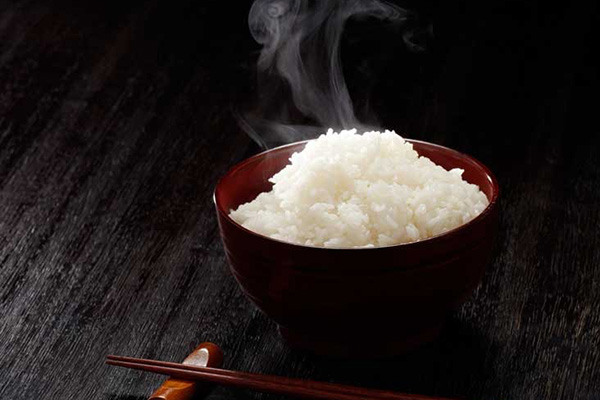
Nutritional Profile of Rice (White vs Brown Rice)
White rice and brown rice differ in fiber and micronutrient content, not in their direct effect on height.
| Nutrient (1 cup cooked) | White Rice (Enriched) | Brown Rice | What This Means for You |
|---|---|---|---|
| Calories | ~205 kcal | ~215 kcal | Similar energy for growth |
| Protein | ~4 g | ~5 g | Slightly higher in brown rice |
| Fiber | ~0.6 g | ~3.5 g | Brown rice supports digestion |
| B Vitamins | Added through enrichment | Naturally present | Both support metabolism |
| Magnesium | Lower | Higher | Brown rice contains more minerals |
In the U.S., most white rice is enriched. That means B vitamins like folic acid and thiamin are added back after processing. So while brown rice contains more fiber and minerals, enriched white rice still provides meaningful nutrients.
Now, here’s where nuance comes in.
Brown rice supports steadier blood sugar due to higher fiber. White rice digests faster and has a higher glycemic index. But neither interferes with bone growth, growth plates, or human growth hormone production.
The difference is nutrient density—not growth suppression.
What Actually Affects Growth in Children and Teens
If height is the concern, attention belongs elsewhere.
Genetics is the dominant factor. Roughly 60–80% of adult height is inherited. No diet overrides genetic ceiling.
Beyond genetics, several factors influence growth:
1. Protein Intake
Protein supplies amino acids for tissue growth. Muscle, bone, and connective tissue depend on it. Good sources include:
- Chicken
- Eggs
- Beans
- Greek yogurt
- Milk
Children aged 9–13 need about 34 grams of protein daily. Teens need 46–52 grams, depending on sex and body size.
Rice contains small amounts of protein—but it is not a high-protein food. That is the key distinction.
2. Sleep and Growth Hormone
Human growth hormone releases primarily during deep sleep. Irregular sleep patterns can blunt growth velocity over time. Teens need 8–10 hours nightly. That rhythm matters more than the carbohydrate source at dinner.
3. Total Calorie Intake
Undereating over months can slow development. Growth requires energy. Carbohydrates, including rice, actually help meet that need.
4. Physical Activity
Weight-bearing exercise supports bone density and metabolic health. Sedentary habits, not rice bowls, tend to interfere with optimal development.
Height growth is multi-factorial. Singling out rice oversimplifies a complex system.
Can Eating Too Much Rice Be a Problem?
Eating excessive amounts of any single food can create imbalance.
Too much rice—especially refined white rice—can:
- Increase glycemic load
- Spike insulin response
- Crowd out protein if portions dominate the plate
- Contribute to calorie surplus
In some American diets, rice appears in large portions alongside sugary drinks and low-protein meals. That pattern may lead to nutrient imbalance.
But the issue is quantity and context.
If half the plate is rice and protein is minimal, growth-supporting nutrients drop. If rice accompanies chicken, vegetables, and healthy fats, balance remains intact.
Portion control matters more than elimination.
Rice in the American Diet: Is It Healthy?
In the U.S., rice appears in Chipotle bowls, Asian-American cuisine, meal-prep containers, and home-cooked dinners. Compared with processed carbohydrates like white bread, fries, or pastries, rice is relatively simple and minimally processed.
The USDA MyPlate model suggests:
- ¼ plate grains
- ¼ plate protein
- ½ plate fruits and vegetables
Rice fits easily within that framework.
A bowl with rice, grilled chicken, black beans, lettuce, salsa, and avocado creates a balanced meal. Swap that rice for fries and the nutrient profile changes significantly.
Rice itself is not the problem. Ultra-processed dietary patterns are.
Best Foods to Support Healthy Growth
If the goal is maximizing growth potential, focus on nutrient density rather than eliminating staples.
Protein-Rich Foods
- Eggs
- Chicken breast
- Lean beef
- Beans and lentils
- Greek yogurt
Calcium Sources
- Milk
- Yogurt
- Cheese
- Fortified plant milks
Micronutrient-Dense Options
- Leafy greens (spinach, kale)
- Berries
- Sweet potatoes
- Carrots
A practical plate often looks like:
- Rice or whole grains
- A palm-sized protein portion
- Two servings of vegetables
- A calcium source
Growth depends on consistent patterns over years, not a single ingredient.
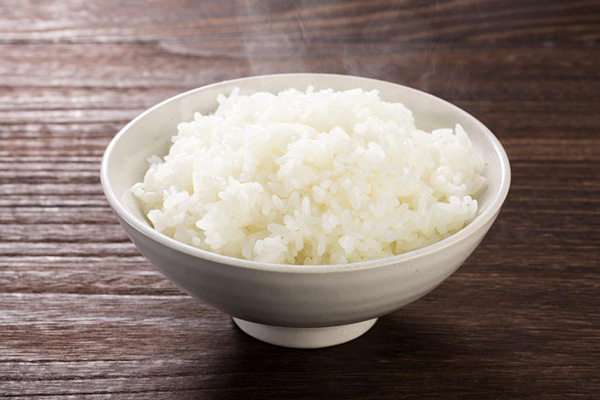
Common Myths About Rice and Growth
Several myths circulate online:
“Rice makes you shorter.”
No physiological mechanism supports this claim. Rice does not block growth plates or suppress hormones.
“Poor countries eat rice, so rice causes short height.”
Correlation is mistaken for causation. In regions with poverty, limited healthcare and chronic malnutrition—not rice—drive stunting.
“White rice has no nutrients.”
Enriched white rice contains added B vitamins. While lower in fiber than brown rice, it still provides energy and micronutrients.
Social media trends often rely on anecdotal evidence rather than scientific research. Nutrition myths spread quickly because they offer simple villains. Growth biology, unfortunately, is not simple.
When to Be Concerned About Growth Issues
Growth concerns deserve medical evaluation when specific patterns appear.
Watch for:
- Significant drop in height percentile
- Growth less than 2 inches per year during childhood
- Delayed puberty beyond expected age
- Signs of nutrient deficiency (fatigue, hair thinning, brittle nails)
Pediatricians use CDC growth charts during routine checkups. If growth velocity slows noticeably, further evaluation may include nutrition screening or hormone testing.
One rice-based meal does not trigger these patterns. Chronic dietary imbalance might—but that unfolds over years.
Final Answer: Should You Stop Eating Rice?
You see rice on the table and wonder if it’s quietly limiting potential. That fear is understandable, especially with so much conflicting advice online.
But here’s the grounded conclusion: rice is safe and healthy in moderation within a balanced diet.
Rice provides carbohydrates that fuel growth. It becomes problematic only when it replaces protein and nutrient-dense foods consistently over time.
For most children and teens in the U.S., the focus belongs on:
- Adequate protein
- Sufficient calories
- Consistent sleep
- Physical activity
- Regular pediatric monitoring
Removing rice does not increase height. Improving overall diet quality supports development far more effectively.
Growth unfolds over years. Plates matter. Patterns matter more. And rice, by itself, is simply a grain—not a growth limiter.

Hello, my name is Mike Nikko and I am the Admin of Deliventura. Gaming has been a part of my life for more than 15 years, and during that time I have turned my passion into a place where I can share stories, reviews, and experiences with fellow players. See more about Mike Nikko