
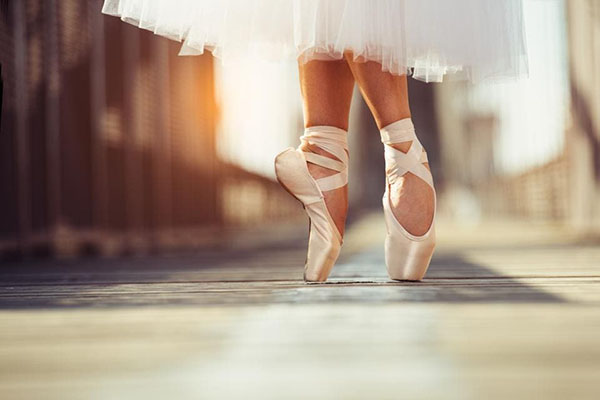
You’ve probably seen a tall, elegant ballet dancer and thought—that’s what ballet does. Long lines, upright posture, almost floating across the stage. It’s easy to connect those visuals with height itself.
But here’s where things get a bit messy. The body doesn’t work that way.
What tends to happen is people mix up how someone looks with how someone actually grows. And ballet sits right in the middle of that confusion.
Key Takeaways
- Ballet does not increase genetic height.
- Height depends on growth plates and DNA, not exercise type.
- Posture improvements from ballet can make you look 0.5–2 inches taller.
- During childhood, movement supports bone development—but within genetic limits.
- After growth plates close (around 14–18), height cannot increase.
- Ballet builds strength, flexibility, and presence regardless of height.
1. How Human Height Actually Works
Height comes down mostly to genetics. If taller parents are part of the picture, taller height becomes more likely—it’s not guaranteed, but the pattern shows up often enough.
Growth happens in specific areas of the bones called growth plates (epiphyseal plates). These sit near the ends of long bones—like the femur or tibia—and stay active through childhood and puberty.
Now, here’s the part that usually gets overlooked.
Growth isn’t constant. It moves in bursts, especially during puberty, when hormones like human growth hormone (HGH)—released by the pituitary gland—start driving the process more aggressively.
Typical closure timelines look like this:
| Group | Growth Plate Closure Age |
|---|---|
| Girls | 14–16 years |
| Boys | 16–18 years |
Once those plates close, bone length stops increasing. Completely. No stretching routine, no sport, no dance form changes that.
You still hear claims floating around—“this activity boosts height,” “that sport stretches bones.” But biologically, closed growth plates shut that door.
2. Does Ballet Increase Height in Children?
This is where nuance matters.
Ballet does not override genetics—but it supports healthy growth.
In practice, kids who stay active tend to develop stronger bones and better coordination. Organizations like the American Academy of Pediatrics consistently emphasize physical activity for development, and ballet fits right into that.
Here’s what ballet actually does for children:
- Improves bone density through weight-bearing movements (jumps, landings)
- Builds muscle support around joints
- Enhances coordination and balance
- Supports healthy body composition
So yes, ballet helps a child reach their full genetic height potential. But it doesn’t push beyond it.
A small observation that often gets missed: inactive kids sometimes fall short of their potential due to poor nutrition, low activity, or other lifestyle factors. Ballet, in that sense, removes barriers—it doesn’t add extra height.
3. Ballet and Posture: Why Dancers Look Taller
This is where things get interesting—and honestly, a bit deceptive.
Ballet improves posture in a way that visually increases height.
Training focuses heavily on:
- Core engagement
- Spinal alignment
- Shoulder positioning
- Head carriage
Over time, this rewires how you stand and move. Slouching decreases. The spine stacks more efficiently.
That change alone can create a visible difference of 0.5 to 2 inches.
Not actual bone growth—just better alignment of the vertebral column supported by stronger core muscles.
You’ve probably seen it in real life. Someone stands straighter after a few months of training, and suddenly they “look taller.” Same body, different presentation.
In U.S. settings—school presentations, interviews, even casual interactions—posture quietly affects perception. People respond differently to someone who carries themselves upright.
4. Why Professional Ballet Dancers Are Often Tall
This is where assumptions usually flip cause and effect.
Ballet doesn’t create tall dancers. Tall dancers get selected.
Major companies like American Ballet Theatre or New York City Ballet often prefer certain body proportions:
- Longer limbs
- Balanced torso-to-leg ratios
- Clean visual lines
This is called selection bias.
Think about productions like The Nutcracker, performed across the U.S. every holiday season. Stage symmetry matters. Partnering requires balance. Longer lines create a specific aesthetic.
So yes, many professional dancers are tall—but not because ballet made them that way.
Also worth noting: plenty of successful dancers fall within average height ranges. They just don’t always fit the stereotype people expect.
5. Can Ballet Help Teens Grow Taller During Puberty?
During puberty, everything speeds up—height, hormones, appetite, sleep cycles. It’s a chaotic phase.
Growth during this time depends on four main factors:
- Hormones
- Nutrition
- Sleep
- Genetics
The Centers for Disease Control and Prevention (CDC) emphasizes consistent sleep (8–10 hours for teens) and proper nutrition as major drivers of healthy development.
Ballet contributes positively in several ways:
- Strengthens bones under load
- Builds lean muscle
- Improves flexibility
- Reduces injury risk
But there’s a catch—and it shows up more often in competitive environments.
Intense training combined with low calorie intake can delay puberty.
In cities like New York, where ballet training costs can reach $2,000–$3,000 per month, the pressure to perform—and sometimes to maintain a certain body type—can lead to under-eating.
When energy intake drops too low, the body slows down growth processes. Hormonal balance shifts. Development stalls.
So while ballet supports growth, imbalanced training can work against it.
6. Does Ballet Increase Height in Adults?
Short answer: No.
Once growth plates close, bones stop lengthening. That’s the end of vertical growth.
However—this is where confusion sneaks back in—adults can still appear slightly taller through:
- Stretching
- Barre work
- Spinal decompression
These reduce compression in the spine temporarily. Think of it like unloading pressure after sitting all day.
But the effect is small and short-lived.
You might notice a slight height difference in the morning versus evening—that’s spinal compression at work. Ballet can influence that feeling, but not actual skeletal length.
No program in the U.S. or elsewhere changes adult bone structure in terms of height.
7. Ballet vs. Other Sports for Height
This question comes up a lot—especially comparisons with basketball or swimming.
Here’s the reality:
No sport increases height beyond genetics.
But different activities influence the body in different ways.
| Activity | Effect on Height | Key Benefit | Visual Impact |
|---|---|---|---|
| Ballet | No increase | Posture, alignment | Appears taller |
| Basketball | No increase | Bone loading, coordination | Neutral |
| Swimming | No increase | Full-body strength | Slight elongation illusion |
| Gymnastics | No increase | Strength, control | Compact appearance |
The main difference with ballet? Postural emphasis.
Ballet trains you to hold the body upright almost constantly. Other sports don’t prioritize that to the same degree.
So visually, ballet creates the strongest “tall” impression—even without changing actual height.
8. Nutrition, Sleep, and Growth in American Households
If height is the focus, daily habits matter more than the type of activity.
Key factors include:
- Sleep: 8–10 hours for teens
- Protein intake: supports tissue growth
- Calcium: strengthens bones
- Vitamin D: improves calcium absorption
The National Institutes of Health highlights calcium and vitamin D as critical for bone health.
Common U.S. sources:
- Milk
- Yogurt
- Fortified cereals
- Salmon
One thing that often gets overlooked—vitamin D levels drop during winter, especially in northern states. Less sunlight means less natural production.
Ballet fits into this picture as a supportive habit, not a primary driver.
9. Psychological Benefits: Confidence and Presence
Height isn’t just numbers on a chart. Perception plays a role—sometimes more than expected.
Ballet improves:
- Body awareness
- Confidence
- Stage presence
- Discipline
You start to notice it in subtle ways. The way someone walks into a room. The way they stand when speaking.
In school or professional environments across the U.S., that presence can shift how others respond—even if actual height stays the same.
Standing taller, in many cases, is about how the body is used, not how long the bones are.
Final Answer: Does Ballet Increase Height?
Ballet does not increase genetic height.
It strengthens the body, improves posture, and supports healthy development during growth years. But it does not change bone length or override biology.
What tends to happen instead is more subtle:
- You stand straighter
- You move with control
- You look taller
And sometimes, that visual shift is enough to make people believe something deeper changed.
If the goal is actual height, sleep, nutrition, and genetics carry most of the weight. If the goal leans toward strength, grace, and confidence—ballet delivers that in a very real way.
Just not in inches.

Hello, my name is Mike Nikko and I am the Admin of Deliventura. Gaming has been a part of my life for more than 15 years, and during that time I have turned my passion into a place where I can share stories, reviews, and experiences with fellow players. See more about Mike Nikko