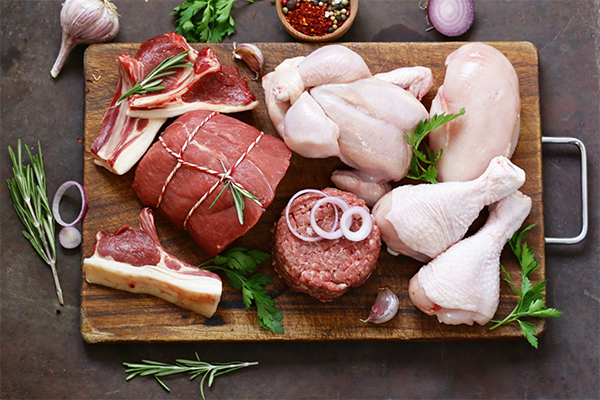
A common scene plays out in American households: a teenager piles extra steak onto a plate, quietly hoping it translates into a few extra inches. Height feels tied to everything—sports tryouts, confidence in crowded hallways, even how others respond in social settings. So the question keeps coming up: does more meat equal more height?
Short answer first, because clarity matters: eating large amounts of meat does not make you taller beyond your genetic limits. Now, here’s where things get more layered—and honestly, more interesting.
Key Takeaways
- Height depends primarily on genetics and hormones, not just food intake.
- Protein supports growth, but excess meat does not push height beyond biological limits.
- Balanced nutrition consistently outperforms high meat consumption alone.
- Growth plates close after puberty, ending natural height increase.
- Most U.S. teens already consume sufficient protein, often without trying very hard.
Understanding How Height Growth Works
Height growth looks simple from the outside—kids grow, then stop. But under the surface, biology runs a tightly controlled system.
The Role of Genetics
Your genetic blueprint sets a height range long before diet enters the picture. If both parents are tall, odds lean in that direction. If not, no amount of extra protein flips that script entirely.
What tends to surprise people is how stubborn genetics can be. Even with perfect nutrition, the body rarely steps outside its programmed range. Conditions like growth hormone deficiency or, on the opposite extreme, gigantism, show how hormonal balance—not just food—drives growth patterns.
You might notice siblings in the same household eating similar meals but ending up different heights. That’s genetics showing up in real life, not diet failing.
Growth Plates and Puberty
Bones don’t just stretch randomly. They grow from specific areas called growth plates—soft cartilage zones near the ends of long bones. During puberty, hormonal signals gradually close these plates.
Once closed, that’s it. No reopening. No second round.
Typical timing in the U.S.:
| Group | Puberty Start Age | Growth Plate Closure Window |
|---|---|---|
| Girls | 8–13 years | ~14–16 years |
| Boys | 9–14 years | ~16–18 years |
This is where a lot of confusion starts. Many assume diet can “extend” growth, but biology doesn’t negotiate here. The window exists, then it shuts.
Protein and Growth: What Science Actually Shows
Protein plays a real role—no debate there. But the way it works tends to get oversimplified.
Why Protein Matters
Protein provides amino acids, the raw materials your body uses to build tissue. Muscle, bone, skin—all depend on it. Growth processes also involve signals like IGF-1 (a hormone linked to growth activity), which responds partly to nutrition.
But here’s the nuance: adequate protein supports growth; excessive protein doesn’t amplify it indefinitely.
USDA daily protein recommendations:
| Age Group | Recommended Intake |
|---|---|
| Children (9–13) | ~34 grams/day |
| Teen girls (14–18) | ~46 grams/day |
| Teen boys (14–18) | ~52 grams/day |
Most American teens already hit or exceed these numbers—sometimes by a wide margin. Extra burgers and chicken breasts don’t stack growth benefits the way people expect.
In practice, what often happens is this: protein intake rises, but height doesn’t follow at the same pace. That mismatch leads to the assumption that “more is better,” when the body has already reached what it can use efficiently.
Does Eating More Meat Increase Height?
Here’s the direct answer again, because it’s easy to lose track in all the details: no strong scientific evidence shows that eating large amounts of meat increases height beyond genetic potential.
A few key realities:
- Growth plates do not reopen with higher protein intake
- Puberty timing does not extend because of diet alone
- Adult height does not increase once growth stops
Eating steak every night might build muscle. It might even improve overall nutrition if previous intake was low. But it won’t add inches once biology sets the boundary.
There’s also a subtle trap here. High-protein diets can create the feeling of progress—stronger body, better athletic performance—which sometimes gets mistaken for actual height change.
Types of Meat and Their Nutritional Impact
Not all meat affects the body the same way. Some support overall development better than others.
Meat Comparison Table (With Practical Differences)
| Meat Type | Key Nutrients | Practical Impact | Real-World Trade-Off |
|---|---|---|---|
| Red meat (beef) | Iron, zinc, B12 | Supports oxygen transport and immune function | Excess intake links to long-term cardiovascular risks |
| Poultry (chicken, turkey) | Lean protein | Efficient muscle and tissue support | Easier to overconsume without variety |
| Fish (salmon, tuna) | Omega-3 fatty acids | Supports brain and bone health | Higher cost, less frequent in some diets |
| Processed meat (hot dogs, deli) | Sodium, preservatives | Convenient, widely available | Lower nutritional value, not ideal for growth |
From observation, families often default to chicken because it feels “safe” and versatile. That works—but relying too heavily on one source narrows nutrient diversity, which matters more than most expect.
Processed meats, despite being common in school lunches and weekend barbecues, rarely contribute meaningfully to growth. They fill calories more than they support development.
Other Nutrients That Actually Influence Height
Protein gets all the attention, but it doesn’t work alone.
Calcium and Vitamin D
Bone growth depends heavily on calcium, and vitamin D helps absorb it. Milk, fortified cereals, and sunlight exposure all play a role here.
The CDC reports that a noticeable percentage of U.S. teens fall short on vitamin D. That gap quietly affects bone development—not dramatically overnight, but gradually over time.
Sleep and Growth Hormone
This part gets underestimated. Most growth hormone releases during deep sleep.
Teens typically need 8–10 hours per night. But late-night scrolling, gaming, or just irregular schedules often cut that down.
And here’s the catch—missing sleep doesn’t feel like missing growth. There’s no immediate signal. But over months or years, the effect shows up.
The Role of Sports and Physical Activity
Physical activity supports bone strength and posture. Sports like basketball, football, soccer, and baseball dominate youth culture in the U.S., and for good reason.
Exercise stimulates bone remodeling and improves alignment. Standing straighter alone can add the appearance of height, which sometimes gets confused with actual growth.
But bones don’t stretch from exercise. No workout routine overrides genetic limits.
Still, inactive lifestyles tend to work against healthy development. Movement matters—but not in the way many assume.
Can Adults Grow Taller by Eating More Meat?
This question usually comes from frustration. Growth stops, but the desire doesn’t.
Once growth plates close, natural height increase becomes biologically impossible. Diet changes—including increased meat consumption—do not reverse that.
What can improve in adulthood:
- Posture
- Muscle mass
- Bone density
These changes can affect how height appears, sometimes by 1–2 inches visually, but not structurally.
There is one exception worth mentioning—limb-lengthening surgery. Costs often exceed $75,000 in the U.S., with significant recovery time and medical risks. It’s a surgical solution, not a nutritional one.
Healthy Growth Strategy for American Families
Focusing only on meat intake narrows the bigger picture. Growth responds to patterns, not single foods.
What Actually Supports Growth (From Practical Patterns)
- Balanced meals combining protein, vegetables, and whole grains
- Consistent calcium intake through dairy or fortified alternatives
- Regular sleep schedules, especially during puberty years
- Physical activity that supports bone strength and posture
- Routine pediatric checkups to monitor development
Grocery access plays a role too. Stores like Walmart and Whole Foods Market offer a wide range of protein options, but variety—not volume—makes the difference.
What often shows up in real life is imbalance: high protein, low sleep; or strong activity levels, but poor micronutrient intake. Growth responds to the combination, not isolated effort.
Final Thoughts
The idea sounds appealing—eat more meat, grow taller. Simple, direct, actionable. But biology doesn’t work that way.
Height develops through genetics, hormonal timing, and overall health—not through excessive meat consumption.
Protein matters. It absolutely supports growth. But once intake meets the body’s needs, adding more doesn’t extend the outcome.
What tends to matter more—over months, even years—is consistency. Balanced meals, adequate sleep, regular activity. Not flashy. Not dramatic. But that’s where growth actually happens, quietly, often unnoticed until time passes.
- Related post: 10 Signs of Teen Growth Spurt
Copyright of the article belongs to Deliventura

Hello, my name is Mike Nikko and I am the Admin of Deliventura. Gaming has been a part of my life for more than 15 years, and during that time I have turned my passion into a place where I can share stories, reviews, and experiences with fellow players. See more about Mike Nikko