You probably didn’t download Puzzle Collection: Mini Games thinking you’d end up tracking promo codes like stock prices. And yet here you are.
Maybe it started with one tough level. You ran out of hints. You told yourself, “I’m not paying $4.99 for digital coins.” I’ve been there. You close the app, open Google, and suddenly you’re deep in code lists that may or may not work.
If you’re searching for active Puzzle Collection: Mini Games codes for 2026, here’s the straight answer: valid codes unlock free coins, hints, boosters, and occasional limited skins — and they’re usually tied to U.S. holidays or in-game events. The trick isn’t just finding them. It’s knowing which ones are real and worth your time.
Let’s break this down properly.
What Is Puzzle Collection: Mini Games?
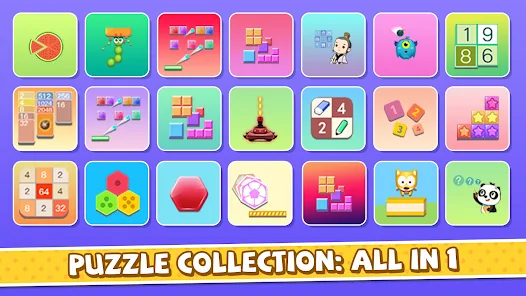
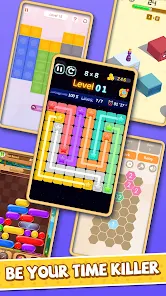
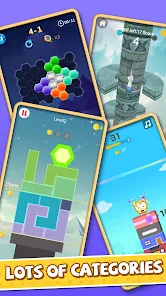
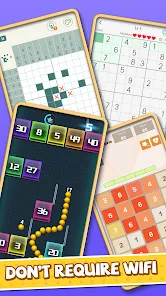
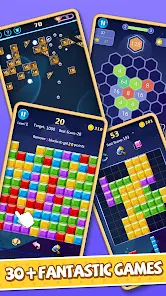
At its core, Puzzle Collection: Mini Games is a short-session mobile puzzle app built around logic challenges, number puzzles, memory tests, and visual brain teasers. You’re not sitting down for a 2-hour campaign. You’re playing 90 seconds here, 3 minutes there.
That design isn’t random.
It follows the same micro-session model you see in:
- Candy Crush Saga
- Brain Out
- 2048-style number games
Levels are quick. Difficulty scales steadily. Daily login rewards nudge you back. And yes, in-app purchases sit quietly in the corner — usually $2.99, $4.99, or $9.99 for coin packs in USD.
You feel productive. Slightly smarter. Then suddenly you’re stuck on Level 137 wondering why one tiny hint costs real money.
That’s where codes come in.
Active Mobile Game Codes for 2026
Now, here’s the thing. Codes in 2026 follow patterns. Developers don’t release them randomly at 2:17 a.m. on a Tuesday. They align them with events — especially U.S. holidays.
Below is a structured snapshot of common 2026 code types and what you typically get.
| Code (Example Format) | Release Period | Typical Reward | Expiration Window | My Take |
|---|---|---|---|---|
| NEWYEAR2026 | January 1 | 500 Coins + 2 Hints | 3–5 days | Usually generous. Devs want early-year engagement spikes. |
| JULY4BONUS | July 4 | Boosters + Skip Token | 48–72 hours | Short lifespan. Check same-day. |
| SPOOKYPUZZLE26 | Halloween | Themed Skin + Coins | 5–7 days | Cosmetic-heavy, less currency. |
| BLACKFRIDAY26 | Late November | 1,000 Coins | 24–48 hours | High value, very limited. |
| XMASGIFT2026 | Christmas Week | Coins + 3 Hints | 7 days | One of the most consistent releases. |
These are format examples — not guaranteed active codes — but this pattern repeats every year.
What I’ve found is that Black Friday codes expire absurdly fast. I once waited “until later” to redeem one. Bad move. It was gone in under 36 hours.
Codes in this game are:
- Case-sensitive most of the time
- Time-limited
- Single-use per account
- Event-driven
If it doesn’t work, it’s almost always expired. Not broken. Just gone.
How to Redeem Codes in Puzzle Collection
Redemption is refreshingly simple. Under 60 seconds if you don’t mistype anything.
Here’s the usual path:
- Open the game
- Tap Settings
- Select Promo Code or Redeem Code
- Enter the code exactly as shown
- Confirm and collect rewards
Now, a small detail people overlook: some updates temporarily move the promo option. After major patches, I’ve seen it shift inside “Account” tabs.
If the code fails, what tends to happen is:
- It expired
- You added a space accidentally
- You entered lowercase instead of uppercase
It’s rarely a server issue. Though during high-traffic events like Christmas week, servers do slow down a bit. Especially evenings in U.S. time zones.
Why Developers Release Game Codes in 2026
From a business standpoint, promo codes are strategic retention tools.
Three main reasons drive code releases:
1. Player Retention
Free coins pull you back in. If you log in for a code, you often stay for 10–15 extra minutes. That increases session time — a metric developers watch closely.
2. Event Promotion
Holiday-themed updates perform better during major U.S. events. July 4th. Halloween. Christmas. Engagement spikes align with national downtime.
3. Marketing Pushes
TikTok campaigns. Instagram reels. Influencer shoutouts. Codes are often embedded in social posts to track performance.
And here’s where it gets interesting. A $4.99 coin pack feels minor. But multiply that across millions of players, and you’re looking at serious microtransaction revenue. According to U.S. mobile gaming reports, Americans spend billions annually on in-app purchases.
Codes soften that spending curve — without eliminating it.
Are Puzzle Collection Codes Safe in 2026?
Official promo codes are safe when they come from:
- In-game announcements
- Verified developer social accounts
- Official newsletters
Everything else? Risky.
You’ll see websites promising:
- “Unlimited coin generators”
- Downloadable APK hacks
- Survey-based unlock tools
In my experience, those lead to one of two outcomes:
- Malware
- Account bans
And bans are rarely reversible.
Here’s the uncomfortable truth: if something promises infinite coins, it’s not part of the developer’s ecosystem. Puzzle Collection runs server-side validation (meaning rewards are confirmed on their servers, not just your device). You can’t bypass that with a fake generator.
If you value your account progress — especially if you’ve cleared 200+ levels — stick to official channels.
How Codes Help You Save Real Money
Now let’s talk dollars.
Small purchases feel harmless:
- $2.99 hint bundle
- $4.99 coin pack
- $9.99 mega boost
Individually? Nothing dramatic.
But if you hit two purchases per month at $4.99, that’s:
$4.99 x 2 x 12 = $119.76 per year
That’s a full AAA console game.
Using free codes doesn’t eliminate spending entirely — but it reduces frequency. For students, families, or anyone budgeting carefully in 2026, those small savings compound.
What I’ve noticed is that when you rely on codes for boosters, you become more strategic. You don’t burn hints impulsively. You time them.
That changes how you play.
Best Times to Check for New Codes in 2026
If you don’t want to obsessively refresh social feeds, mark these on your mental calendar:
- January 1
- Memorial Day weekend
- July 4
- Thanksgiving weekend
- Black Friday
- Christmas week
Developers align releases with shopping behavior patterns. When people are already on their phones — browsing deals, watching sales ads — engagement peaks.
Interestingly, Sunday evenings often see surprise drops too. That’s anecdotal, but I’ve seen it happen more than once.
Tips to Stay Updated Without Turning It Into a Job
Code hunting can become its own mini-game. Which is fun… until it isn’t.
Here’s what tends to work without overwhelming you:
- Enable push notifications for event alerts
- Follow the official game page on one platform (not five)
- Check weekly update notes inside the app
- Join one active community forum
That’s it.
You don’t need Discord alerts at 3 a.m. You don’t need ten newsletters.
Keep it simple.
I personally check once a week unless a major holiday is approaching. That balance keeps the game fun instead of transactional.
The Real Value of Puzzle Collection Codes in 2026
Puzzle Collection: Mini Games fits modern American life almost too perfectly. Quick sessions. Low commitment. High replay value.
Codes in 2026 remain one of the easiest ways to accelerate progress without increasing your spending in USD. They reward attention. They reward timing.
But here’s the nuance people miss: codes don’t replace skill. They supplement it. If you burn through free coins recklessly, you’ll still hit walls.
When you play strategically — stacking holiday rewards, redeeming early, avoiding shady generators — you stretch every freebie further.
And honestly? That feels satisfying.
You unlock more.
You spend less.
And you stay in control of the game instead of letting microtransactions quietly control you.
Which, in a world of mobile monetization tactics, is a small win worth taking

Hello, my name is Mike Nikko and I am the Admin of Deliventura. Gaming has been a part of my life for more than 15 years, and during that time I have turned my passion into a place where I can share stories, reviews, and experiences with fellow players. See more about Mike Nikko