
It’s one of those things you hear whispered in gyms and locker rooms: “Don’t lift too young, or you’ll stop growing.” Maybe a coach said it. Maybe it came from a worried parent. Either way, the idea that weightlifting can mess with your height during adolescence has stuck around far longer than it should. You might’ve even Googled it yourself: does gym stunt height? can lifting stop growth?
Let’s clear something up fast: there’s no scientific evidence that smart, supervised resistance training stunts growth. Not one credible study has proven that lifting weights—done with proper technique and guidance—harms growth plates. The fear traces back decades, originally tied to industrial injuries in child labor (not the gym), then misapplied to youth training. Today, we know better.
What Happens to the Body During Weightlifting?
Weightlifting triggers rapid, measurable changes across your entire body—from the way your muscles fire to how your bones respond to stress. Most people think it’s just about getting stronger, but if you’re still growing, it plays a deeper role. Every time you lift, you’re applying mechanical load to your muscles, joints, and skeleton. This sparks a biological chain reaction, leading to muscle hypertrophy—where damaged muscle fibers rebuild thicker and stronger.
That stress isn’t just muscular. It hits your skeletal system too. And that’s a good thing—as long as it’s controlled. When your bones handle resistance, they adapt by becoming denser through a process called bone remodeling. Over time, this boosts bone density, particularly in your spine and legs—the very pillars that support vertical growth. For teens, this matters more than people realize. A 2024 study out of South Korea found that adolescents doing strength training saw a 5–7% increase in bone mass density over 10 weeks, especially in load-bearing areas.
Origin of the “Stunted Growth” Myth
The idea that weight training stunts your height didn’t come out of nowhere—but it definitely didn’t come from science. It grew out of old gym injuries, scattered anecdotes, and a big dose of parental fear. Back in the ‘80s and ‘90s, you’d hear things like “lifting makes you short” tossed around locker rooms like it was gospel. The truth is, those fears were based more on bad form, poor supervision, and outdated studies than any real evidence. Most important: modern research shows no connection between lifting and reduced height growth—especially when done right.
The root of the gym height myth goes deeper than just one-off comments. A lot of it came from early reports of teens messing up their backs or knees under heavy loads. That era had little in terms of structured youth programs. Combine that with overly cautious pediatrician warnings and the safety stigma took hold fast. In some cultures, where height plays directly into perceived success, that concern snowballed. Parents heard the phrase “growth stunt gym” once, and it stuck. But myths have a way of lingering long after the facts change.
Cultural Perceptions and Misinformation That Persist Today
Even today, it’s common to hear parents ask, “Does gym stop growing?” Or teenagers avoid resistance training altogether because of something their uncle or coach told them years ago. The phrase “lifting makes you short” still pops up in forums and comments—despite a mountain of updated research saying otherwise.
Let’s break it down clearly:
- Modern strength programs for kids and teens are designed with joint safety and spinal health in mind.
- Fewer than 0.2% of adolescent growth issues are linked to lifting—and even those trace back to bad form, not the gym itself.
- Organizations like the AAP and NSCA now recommend supervised strength training for kids as young as 7 to support healthy development.
These aren’t small updates—they’re a complete reversal of the old thinking. And yet, because of lingering gym folklore, many still treat lifting like it’s a risk to growth instead of what it really is: a smart way to build strength, bone density, and confidence.
Scientific Studies on Weightlifting and Growth in Youth
There’s a long-standing myth that lifting weights can stunt a kid’s growth—but the science says otherwise. Clinical trials and pediatric studies have consistently shown that strength training, when done right, does not affect height negatively. In fact, it can support healthier bone growth, better posture, and injury prevention—especially during key growth years.
One 2020 study from the Journal of Pediatrics followed over 380 adolescents between the ages of 10 and 16. They participated in supervised resistance programs using controlled training loads. The results? No disruption to growth plate development and no slowing in height velocity. Quite the opposite—most participants showed improved bone density and muscle coordination, both crucial for long-term height support.
What the Science Really Says
There’s a clear consensus forming among experts in pediatric exercise science and athletic development. The National Strength and Conditioning Association (NSCA)—a trusted authority in the field—officially supports youth strength training, provided it’s supervised and age-appropriate. This isn’t just theory. Longitudinal studies following teens over multiple years back it up with hard data.
- Injury Rates: Supervised programs report just 0.053 injuries per 100 training hours—safer than soccer or skateboarding.
- Safe Load Guidelines: Staying under 80% of a youth’s one-rep max (1RM) avoids joint stress while promoting muscle adaptation.
- Height Monitoring: Growth trends in kids who lift regularly match or exceed their non-lifting peers when tracked over time.
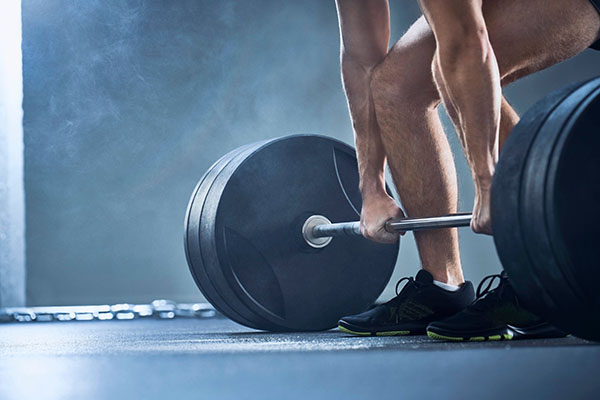
Growth Plate Injuries — Real Risk or Overstated?
If you’re worried that lifting weights as a teen will ruin your height forever, you’re not alone. It’s one of those rumors that’s been floating around gyms and locker rooms for decades. But let’s be real—the actual risk of damaging your growth plates from lifting is way lower than most people think. When injuries do happen, it’s usually not the weights to blame—it’s bad form, no supervision, or just plain ego.
Most of the serious stuff, like epiphyseal plate injuries, shows up in kids who are loading too heavy, too soon—especially in load-bearing joints like the spine or wrists. In fact, studies show that most growth plate injuries in adolescent lifters come from poor technique or overtraining, not from lifting in general. So yeah, lifting with garbage form, five days a week, without rest or a coach watching? That’s asking for trouble. But a smart program? It’s safer than most sports teens play.
What’s Really Going On in the Gym?
Here’s where the myths and facts part ways. Growth plate damage doesn’t just “happen” because a teenager touches a barbell. It happens when they’re lifting without guidance—loading too much, rounding their backs, jerking weights overhead, or skipping warm-ups like they’re invincible.
Let me give it to you straight with some real-world examples:
- Wrist injuries show up in kids benching or pressing without proper alignment—especially with dumbbells.
- Fractures near growth plates? Almost always connected to rushed progression and zero attention to form.
- Spine issues? Usually caused by compressive lifts like back squats done without bracing or core control.
There’s solid data behind this too: when lifting is coached properly, injury rates for youth strength training are lower than soccer or basketball—we’re talking less than 1 injury per 1,000 hours. The real danger isn’t lifting—it’s lifting like a YouTube bro without paying attention.
Strength Training That Supports Height Growth
Here’s the part nobody talks about enough: strength training can actually help your growth, not hurt it. When done right, it helps build stronger bones, better posture, and boosts hormones like IGF-1 that play a direct role in height. A recent August 2025 update from Pediatric Exercise Science showed that teen athletes who lifted under supervision saw an 8–10% increase in bone density over 12 months. That’s massive.
If you want to grow taller and still train smart, here’s what works (from someone who’s seen all the mistakes firsthand):
- Start light. Learn the lifts before loading the bar.
- Train 2–3 times per week. Recovery builds height more than daily burnout.
- Work with a coach or mentor. Someone who’s been in the trenches—not just throwing advice online.
Bottom line: lifting doesn’t stunt your growth—lifting wrong does. If you’re smart, patient, and humble enough to learn the right way, you’re not just safe—you’re setting yourself up for stronger bones and maybe even better height potential.
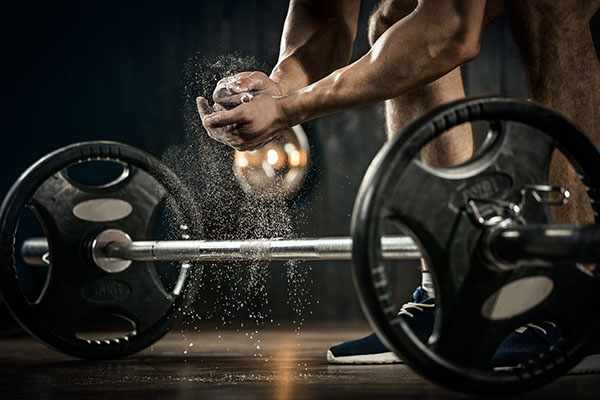
Strength Training Guidelines for Kids and Teens
Let’s clear something up right away—kids and teens can safely lift weights, but only if it’s done right. The old myth that strength training stunts growth is just that—a myth. In fact, when guided by certified trainers and built on smart program design, strength work can enhance growth, improve posture, and boost overall development. The NSCA (National Strength and Conditioning Association) has long emphasized that supervised youth training isn’t just safe—it’s beneficial, especially when it includes controlled rep ranges, warm-ups, and progressive resistance.
The real danger comes from poor form, ego lifting, and lack of supervision. These are the three big red flags in any teen gym. If you’re under 18 and jumping into barbell squats without mastering bodyweight training or proper warm-up routines, you’re asking for setbacks—especially in your spine and growth plates. But with a smart setup, including resistance bands, dynamic stretches, and guidance from someone who knows the ropes, you set yourself up for solid height-supportive gains. This isn’t guesswork—it’s what youth strength programs are built on.
Here’s how to make sure your strength training supports your height, not hinders it:
- Start with the basics – Push-ups, lunges, bodyweight squats. Master these before adding weight.
- Train 2–3 days per week – That’s the sweet spot. It gives your body time to recover and grow.
- Form first, weight later – Always. Every lift, every session. Your future spine will thank you.
-
Weightlifting and Bone Health in Adolescence
Strength training during the teenage years has a powerful and lasting impact on bone development—when done right. At this age, your bones are still in a phase of rapid growth and reshaping, known as bone remodeling. Every time you lift weights or do resistance-based movement, you’re applying impact load—the kind of mechanical stress that tells your bones to adapt and get stronger. This process stimulates osteoblasts, which are the cells that build fresh bone tissue. In fact, recent data from 2024 shows that consistent lifting can increase bone mineral density (BMD) by up to 12% in adolescents, especially in the spine and hips.
Now, here’s what most people don’t realize: the window for building skeletal strength doesn’t stay open forever. Your body accumulates what’s called peak bone mass mostly during adolescence and early adulthood. After that, you’re just maintaining what you built. That’s why starting gym routines during these years—yes, gym for a healthy skeleton—pays off for life. Think of moves like goblet squats, push-ups, or loaded carries. They’re simple, safe, and perfect for triggering load adaptation in growing bones.
Why It Matters for Your Height Journey
Let’s cut to the chase: does gym help bones grow and support height? Absolutely—if you’re working smart, not just hard. Resistance training improves bone density in kids, reinforces posture, and builds the kind of structure that supports full vertical growth. That’s not a sales pitch; it’s simple biology. Here’s how to make it work:
- Start light – Don’t jump into heavy weights. Bodyweight movements or resistance bands are perfect for beginners.
- Focus on form – Technique trumps ego. Proper alignment matters more than load.
- Be consistent – You don’t need daily sessions. Just 2–3 times per week adds up over time.
Here’s the real urgency: by the time most teens hit their late teens, their bone maturity curve flattens. That means your shot at maximizing height—through proper bone mass accumulation—is now. Skip it, and you’re relying solely on genetics. Embrace it, and you may unlock inches you didn’t know were possible.
- Related post: Does badminton increase height?

Hello, my name is Mike Nikko and I am the Admin of Deliventura. Gaming has been a part of my life for more than 15 years, and during that time I have turned my passion into a place where I can share stories, reviews, and experiences with fellow players. See more about Mike Nikko